
Humanoid robots impose interconnect requirements that sit somewhere between automotive and consumer electronics: high-density wiring inside compact joint modules, micro-scale interconnects in dexterous hands, vibration-resistant locking across the torso and limbs, and high-current, thermally stable interfaces for battery packs and BMS. Unlike stationary industrial robots, humanoid platforms add another layer of difficulty — dynamic flexing. Every step and arm swing bends the harnesses inside joints thousands of times, which makes flex life, strain relief, and termination quality as important as the connector itself.
One distinction matters for buyers: connectors define the interface; cable assemblies define the reliability. A premium connector mated to a poorly crimped, badly strain-relieved cable will still fail — and in practice, harness-level failures tend to occur at termination points and stress-relief zones rather than at the mating interface. Humanoid robot programs increasingly buy validated interconnect systems (connector + cable + overmolding), not standalone connectors.
This ranking evaluates connector suppliers for humanoid robot applications in 2026, with explicit attention to each vendor’s cable assembly and harness integration capabilities. It is an editorial assessment based on publicly available information as of September 2026 and is not a paid placement.
How We Evaluated: Methodolog
| Dimension | What we assess | Weight |
|---|---|---|
| Technology fit | Signal/power/RF product mix; micro-miniaturization; IP rating; vibration resistance; mating-cycle life; blind-mating and retention | 30% |
| Quality & mass-production readiness | IATF 16949 / ISO 9001, AEC-Q-oriented validation, PPAP capability, traceability, yield consistency | 20% |
| Robotics engagement | Publicly evidenced sampling, design-ins, or supply relationships with humanoid robot programs — stage clearly labeled | 20% |
| Customization & engineering support | FAE access, rapid prototyping, co-design, cable-assembly integration | 15% |
| Cost, capacity & delivery | MOQ, lead time, regional manufacturing footprint, second-source risk | 15% |
Tie-breaker consideration (assessed for every entry, not separately weighted): cable assembly and harness integration capability — crimping process control, overmolding, strain-relief design, and willingness to provide harness-level validation reports (flex testing, temperature rise, pull-force) rather than connector datasheets alone.
Editorial note: for several suppliers, humanoid-robot-specific engagements are not yet publicly disclosed. In those cases we score on product fit and production readiness, and we say so explicitly rather than implying confirmed design wins.
Top 10 at a Glance
| Supplier | HQ | Core strengths | Humanoid robot fit (editorial) | Best-fit scenarios |
|---|---|---|---|---|
| TE Connectivity | Switzerland / US | Broad signal + power portfolio, harsh-environment interconnects, harness systems | Full-platform coverage: joints, power distribution, sensing, deep automotive-grade validation heritage | Volume production, safety-critical power/signal |
| Amphenol | US | High-speed, RF, harsh-environment circulars and rectangulars | Strong in RF/sensing links and ruggedized interconnects for mobile platforms | High-speed data, RF, ruggedized joints |
| Molex | US | Micro board-to-board/wire-to-board, high-speed, modular | Well suited to dexterous hands and compact joint electronics; strong cable-assembly business | Miniaturized electronics, cost-sensitive volume |
| Hirose | Japan | Micro connectors, FPC/FFC, high-reliability compact designs | Strong fit for dexterous hands and head/sensor modules where space is extreme | Micro-signal, FPC applications |
| JST | Japan | Crimp-style wire-to-board, compact power/signal | Reliable workhorse for internal harnesses and distributed joint wiring | Harness-level interconnects, cost-sensitive volume |
| ROSENBERGER | Germany | RF/coaxial, high-speed data, automotive connectivity | Niche but critical: wireless comms, antenna feeds, high-speed sensor links | RF/high-speed links, communication modules |
| Renhotec | China | Connectors and custom cable assemblies | Fast-turn custom harnesses at competitive cost | Custom cable assemblies, prototype-to-MP bridge |
| HARTING | Germany | Heavy-duty rectangular, industrial Ethernet, robust power | Fit for torso/chassis-level power and data where durability dominates | Body harness, industrial-grade interfaces |
| Samtec | US | High-performance board-level, SI-optimized interconnects | Best at board-to-board and high-speed links inside compute/sensor stacks | Compute modules, high-speed boards |
| Aptiv | Ireland / US | Automotive electrical architecture, sealed connectors, wiring systems | Vehicle-grade sealed interconnects and harness know-how transferable to robot platforms | Sealed power, harness systems |
TE Connectivity
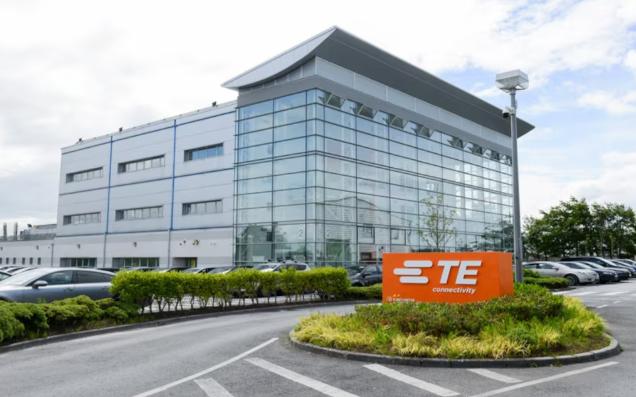
TE Connectivity plc is the largest interconnect supplier on this list, with annual revenue of roughly $16 billion, approximately 90,000 employees, and manufacturing and engineering operations across the Americas, Europe, and Asia-Pacific. Registered in Ireland and operationally headquartered in Switzerland, TE sells into automotive, industrial, medical, and data-communications markets, holding IATF 16949 and ISO 9001 certifications across its relevant plants. Its scale means broad tooling libraries, global quality systems, and deep PPAP experience — the profile of a supplier built for programs that will eventually ship in volume.
Core Products:
DYNAMIC Series, MINI I/O, servo power connectors, and high-voltage interconnect assemblies for robotics.
Strengths:
A global leader in connectors; features vibration-resistant, self-locking terminals specifically designed for robotics; solutions cover joint servos, batteries, and vision modules; dedicated robotics team established in China; selected as a supplier for multiple leading humanoid robot projects (spanning both prototype and mass production phases); leverages reliability systems that meet both automotive and industrial standards.
TE Connectivity: http://te.com/
Amphenol
Amphenol Corporation, founded in 1932 and headquartered in Wallingford, Connecticut, USA, is one of the world’s largest interconnect suppliers, with annual revenue of roughly $16 billion and approximately 100,000 employees across more than 100 facilities in around 40 countries. Its portfolio spans harsh-environment circulars, high-speed board-level interconnects, RF and antenna solutions, fiber optics, and sensing products, serving automotive, aerospace, industrial, and IT/datacom markets. Relevant plants operate under IATF 16949 and ISO 9001, and Amphenol has publicly identified robotics — including humanoid platforms — as a target growth market in its investor communications, with product-level support for collaborative and service robots across several of its business units.
Core Products:
BRIGHTCONNX, MICRO-POWER, and RF/mixed-signal interconnect components.
Industry Position:
Distinct advantages in integrating high-power and high-speed signal capabilities, as well as in vision/AI computing modules and high-current interfaces for robot torsos; features robust performance under extreme temperatures and high-impact conditions, making them ideal for heavy-duty humanoid robot platforms.
Amphenol:www.amphenol.com
Molex

Molex, founded in 1938 and headquartered in Lisle, Illinois, USA, has been privately held since its 2013 acquisition by Koch Industries. The company employs approximately 45,000 people worldwide and generates annual revenue in the $12 billion range, spanning consumer electronics, automotive, industrial, and medical markets. Its portfolio emphasizes micro wire-to-board and board-to-board interconnects (PicoBlade, CLIK-Mate, SlimStack), FPC solutions, high-speed products, and an extensive custom cable assembly business. Molex has publicly presented robotics-focused interconnect solutions, positioning compact, vibration-tolerant products for robotic joints and end effectors.
Core Product:
MINIMIX hybrid power and signal connector (launched in 2026); integrates 15A power delivery and 1Gbps 1000BASE-T1 Ethernet into a single interface; specifically designed for the compact joints of robots, significantly reducing the number of internal connectors.
Industry Status:
A benchmark for miniaturized hybrid interconnects; resolves cabling bottlenecks in humanoid robot joints; scheduled for mass production in late 2026, with validation and adoption by multiple OEMs.
Molex:www.molex.com
Hirose
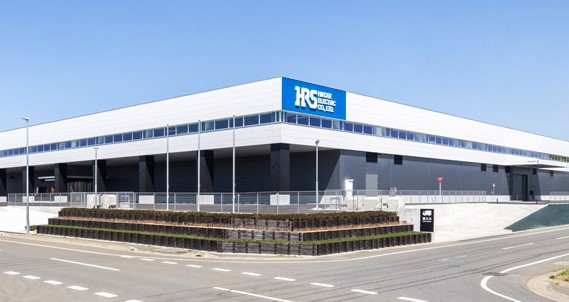
Hirose Electric, headquartered in Tokyo, Japan, is a listed connector specialist with annual revenue of roughly $1.2 billion and around 5,000 employees. The company built its reputation on micro and high-reliability compact connectors — FPC/FFC, board-to-board, and micro-coaxial series that dominate space-constrained applications such as camera modules, wearables, and portable devices. Quality systems include IATF 16949 at relevant facilities. Publicly confirmed humanoid robot design-ins remain limited; its relevance to this list rests on unmatched micro-interconnect depth for dexterous hands and sensor-dense head modules.
Core Products:
DF80, BK13, IX industrial high-speed connectors, and micro board-to-wire connectors.
Strengths:
Ultra-compact, high-density connectors excelling in high-speed signal transmission for robotics—specifically in machine vision, encoders, and joint control boards. They feature a compact form factor and high resistance to repeated bending, and are widely used in overseas humanoid robot prototypes.
Hirose:www.hirose.com
JST
JST Mfg., headquartered in Osaka, Japan, is a family-controlled connector manufacturer with annual revenue of approximately $2 billion and around 9,000–10,000 employees globally. It is the originator of the crimp-style wire-to-board connector families (SH, ZH, PH, EH, XH series) that became de facto standards in consumer electronics, and it maintains a broad range of terminals, housings, and headers for harness-level interconnect. Relevant plants operate under IATF 16949 and ISO 9001. JST’s role in humanoid robots is infrastructural: dependable, cost-efficient crimp interconnects for internal wiring and distributed joint electronics rather than headline design wins.
Strengths and limitations. Strengths: ubiquitous tooling ecosystem, low total cost, huge distributor availability, and crimp termination quality that scales from prototype to millions of units. Limitations: product positioning skews toward established, mature series rather than cutting-edge high-speed or sealed harsh-environment solutions; brand visibility in the robotics narrative is low, which understates its actual design-in prevalence.
JST:www.jst-mfg.com
ROSENBERGER
ROSENBERGER Hochfrequenztechnik, founded in 1958 and headquartered in Fridolfing, Germany, is a family-owned specialist in RF and high-speed data interconnects, with annual revenue of approximately €1.5 billion and around 13,000 employees worldwide. The company co-developed FAKRA automotive RF standards and supplies coaxial connectors, high-speed data links, and test and measurement solutions to automotive, telecom, and industrial customers. For humanoid robots, ROSENBERGER is a niche-but-critical supplier: wireless communication modules, antenna feeds, GNSS/Wi-Fi links, and high-speed sensor data paths all depend on RF-grade interconnects that generalist vendors cannot easily match.
Core products:
H-MTD, HSD, ROPD, M8/M12 rotary connectors
Advantages:
Rotating joints, high-speed vehicle Ethernet interconnection strengths, robot joint rotation scenarios, multi-axis motion data transmission solutions are mature, commonly used in European and American humanoid robot projects
ROSENBERGER:www.rosenberger.com
HARTING
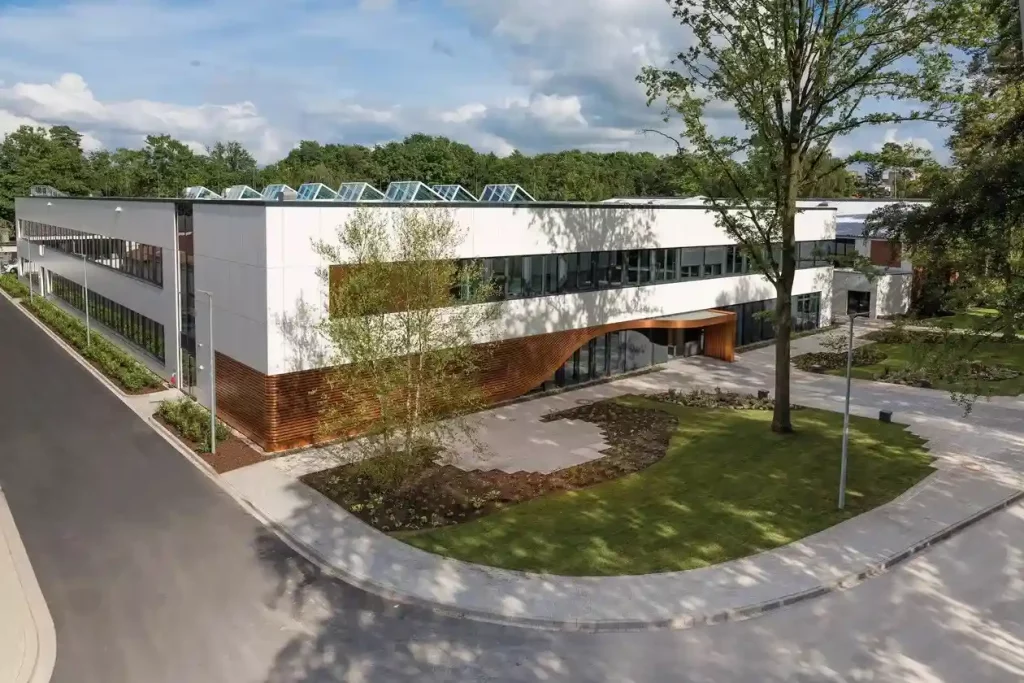
HARTING Technology Group, headquartered in Espelkamp, Germany, is a family-owned manufacturer with annual revenue of approximately €1 billion and around 6,000 employees. It is best known for heavy-duty rectangular connectors (the Han series), industrial Ethernet and M8/M12 connectivity, and high-speed data interfaces such as ix Industrial — products designed for robustness in industrial machinery, rail, and energy applications. In humanoid robots, HARTING fits the body rather than the extremities: torso and chassis-level power distribution, durable data links between major subassemblies, and interfaces that must survive handling, vibration, and repeated reconfiguration.
Core Products:
Han® series industrial hybrid connectors, miniaturized PushPull connectors
Key Advantages:
Push-pull locking mechanism facilitates robotic assembly and maintenance; hybrid power and signal modules with industrial-grade protection; widely used in the bases and torso power interfaces of humanoid robots.
HARTING:www.harting.com
Samtec
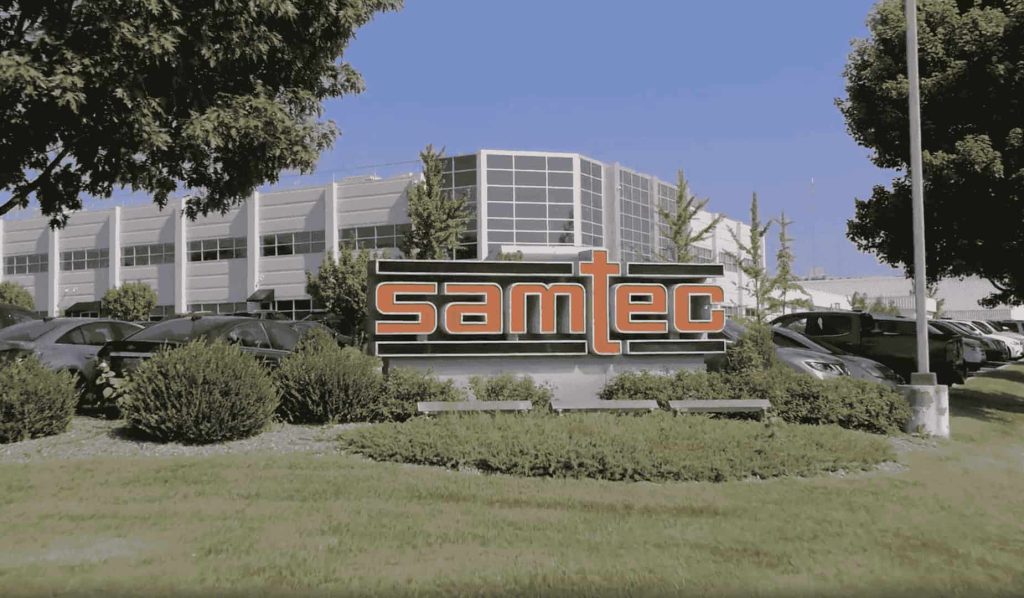
Samtec, headquartered in New Albany, Indiana, USA, is a private interconnect manufacturer with annual revenue of approximately $2 billion and around 10,000 employees. The company specializes in high-performance board-level interconnects — board-to-board, mezzanine, microelectronics packaging, and high-speed cable assemblies — with a strong focus on signal integrity engineering and free evaluation samples that made it a favorite of design engineers. Its relevance to humanoid robots is concentrated but real: compute modules, AI accelerator boards, and sensor arrays inside the robot all need dense, high-speed board-to-board and Flyover-type cable links rather than bulk power connectors.
Strengths and limitations. Strengths: excellent signal integrity support, very fast sampling, and genuine engineering partnership from schematic stage. Limitations: the portfolio deliberately avoids harsh-environment power and sealed outdoor interconnects, so Samtec covers the electronics core of the robot only; and its private status limits public disclosure of robotics engagements.
Samtec:www.samtec.com
Aptiv
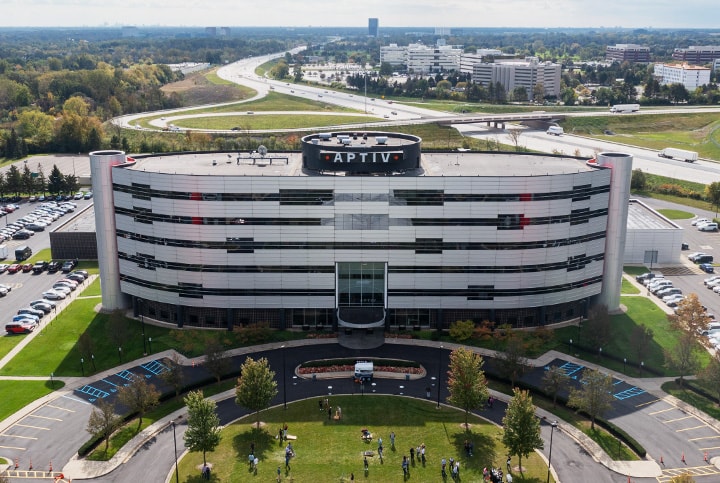
Aptiv, headquartered in Dublin, Ireland, is an automotive technology supplier with annual revenue of approximately $20 billion and around 70,000 employees, created from the former Delphi Automotive. Its Electrical Distribution Systems segment is one of the world’s largest wiring harness and sealed connector suppliers, and its product engineering centers sit in every major automotive region. For humanoid robots, Aptiv’s transferable assets are vehicle-grade sealed interconnects, high-volume harness manufacturing, and deep experience in electrical architecture optimization — capabilities that map directly onto robot platforms as they scale from hundreds to tens of thousands of units.
Strengths and limitations. Strengths: unmatched harness-at-scale manufacturing, mature sealed connector families, and global footprint with strong China operations. Limitations: organizational focus remains automotive, so robotics programs may receive less dedicated attention than at rivals actively courting the market; and the company’s strategic center of gravity (software-defined vehicle architecture) means robot-specific connector development is not a headline priority.
Aptiv:www.aptiv.com
Renhotec
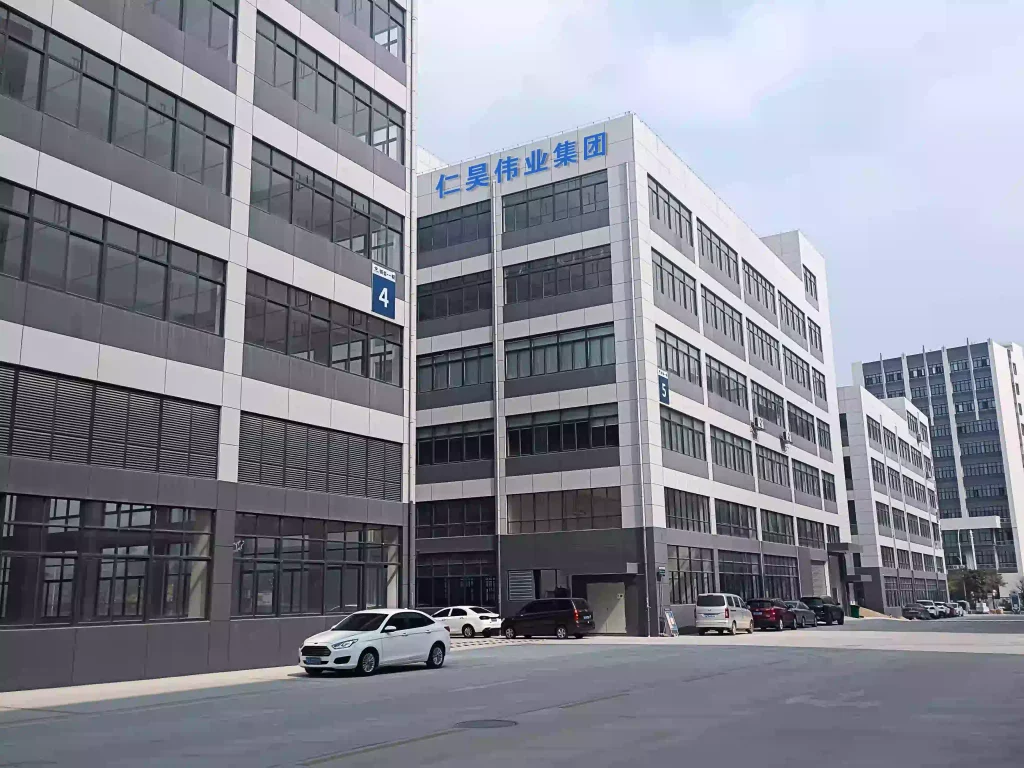
Founded in 2008, Renhotec Group is a China-based connector manufacturer specializing in the R&D, production and supply of interconnect solutions. With two manufacturing facilities and capabilities spanning precision stamping, die casting, injection molding and automated assembly, the company supports customers from product development and prototyping through volume production. Its products are exported to more than 80 countries and regions, serving industrial, automotive, communications and new energy applications.
For emerging robotic systems, Renhotec offers a comprehensive portfolio including high-speed coaxial connectors (FAKRA, Mini FAKRA, HFM), high-speed data interconnects (HSD, H-MTD), industrial circular connectors (M8, M12), and Push-Pull self-locking connectors, along with customized cable assemblies. These solutions are designed to meet the demanding signal, data, power and space requirements of modern robotics.
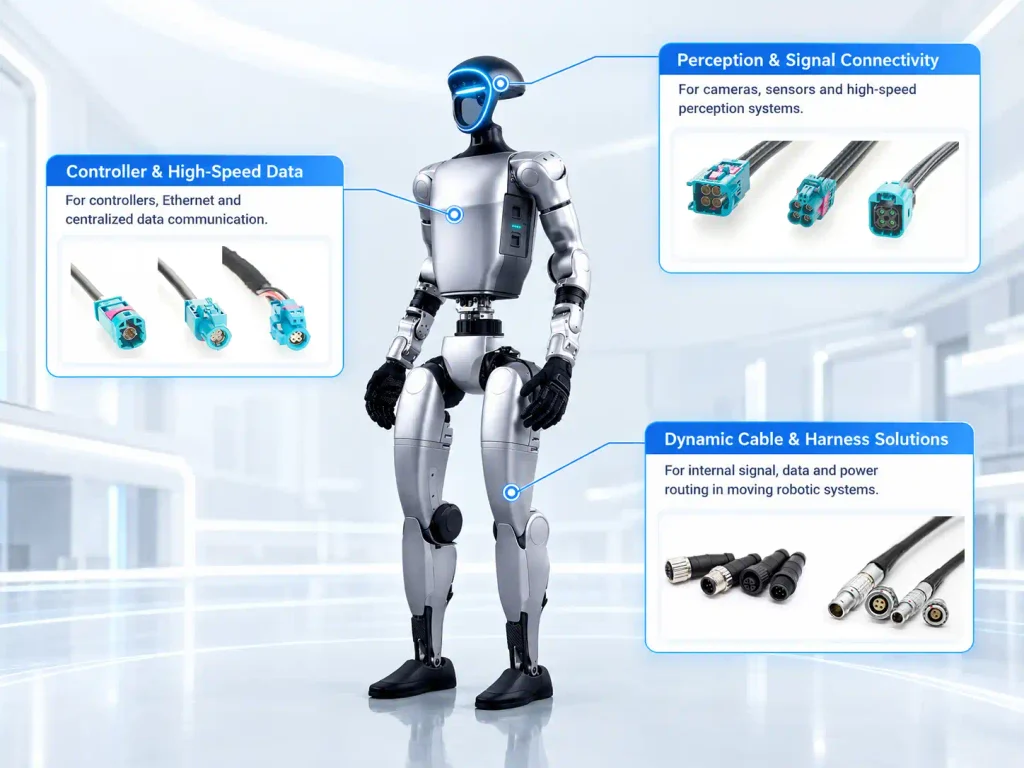
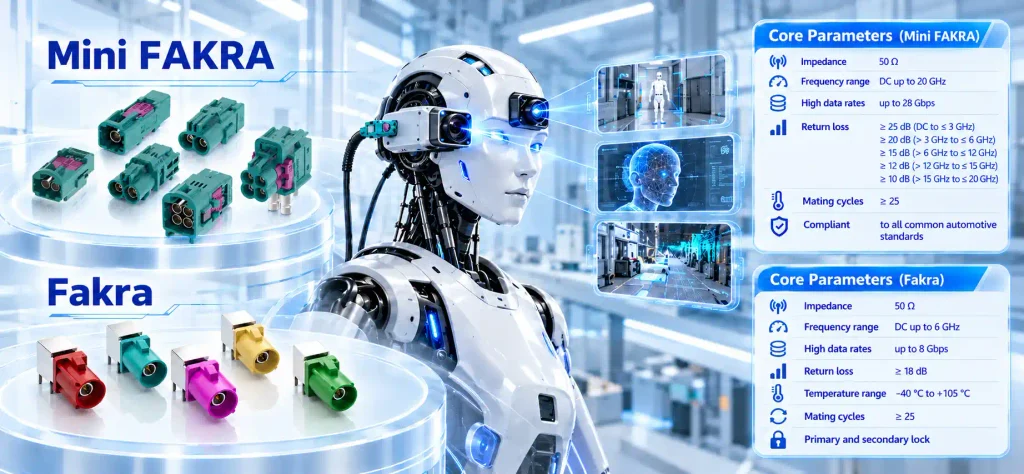
Perception & Signal Connectivity for Humanoid Robots
In humanoid robots, high-performance vision and sensing systems are essential for real-time environmental awareness, precise motion planning, and safe human-robot interaction. Multi-camera arrays, depth sensors, and LiDAR generate massive volumes of high-speed data that must be transmitted with minimal latency and maximum reliability.
Our mini-Fakra / HFM and Fakra connectors are purpose-built for these demanding perception applications. Featuring compact form factors ideal for space-constrained robot heads, torsos, and limbs, they support high-frequency RF and high-speed data transmission while delivering excellent EMI resistance and robust mechanical locking.
These connectors ensure stable, high-integrity signal pathways between cameras, sensors, and central processing units—enabling humanoid robots to achieve clear visual perception, accurate spatial awareness, and seamless coordination across their entire sensory network.
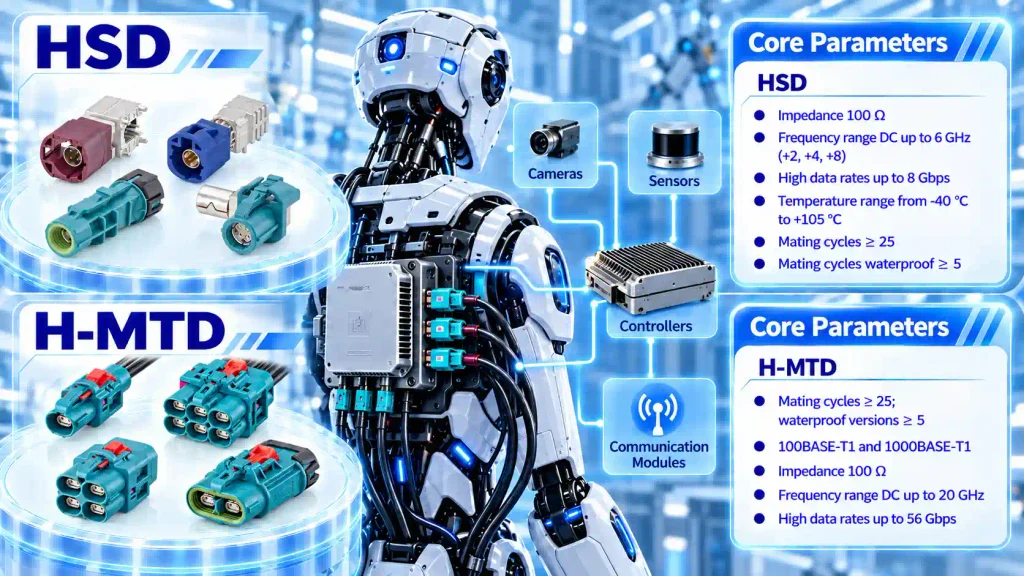
Controller & High-Speed Data Connectivity for Humanoid Robots
Humanoid robots rely on powerful central controllers and high-bandwidth data networks to synchronize real-time sensing, motion control, and decision-making across the entire body. From joint actuators and force/torque sensors to vision systems and balance algorithms, massive volumes of data must flow with ultra-low latency and exceptional reliability.
Our HSD and H-MTD connectors are engineered precisely for these demanding controller and high-speed data applications. Supporting high-speed Ethernet and centralized data communication, they deliver robust signal integrity, excellent EMI performance, and compact, vibration-resistant designs ideal for the dynamic environments inside humanoid robots.
These connectors ensure stable, high-throughput data pathways between the main controller, distributed ECUs, and peripheral systems—enabling seamless coordination, precise motion control, and reliable real-time operation essential for advanced humanoid robotics.
Renhotec:www.renhotec.com
Renhotec RF:www.renhotecrf.com
Looking for a Reliable Humanoid Robot Cable Assembly Supplier?
Renhotec provides custom RF cable assemblies, sensor cables, and wiring harness solutions for robotics, automotive electronics, and industrial applications. From prototype development to production support, our engineering team helps optimize your interconnect solutions.

Connectors & cable assemblies manufacturer.
Sharing insights on connectors and real-world applications.
Contact for datasheets, samples, or inquiries.
