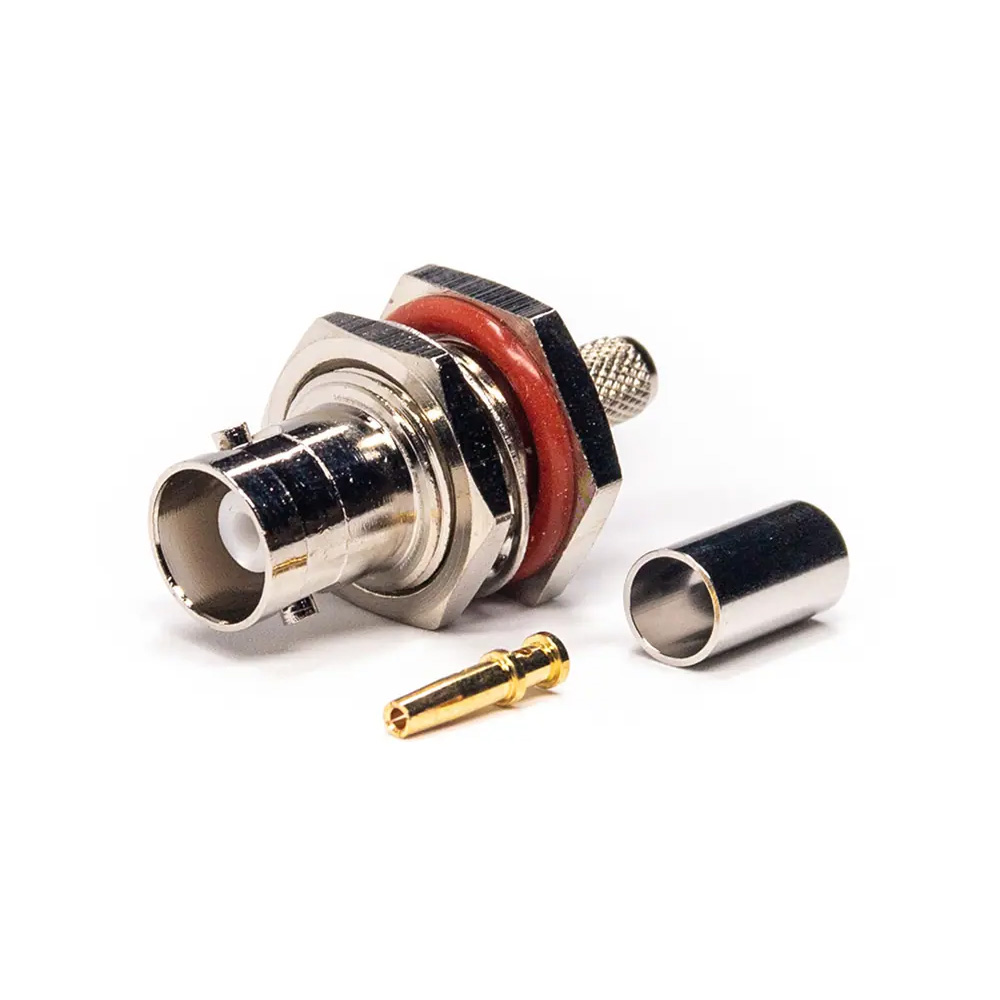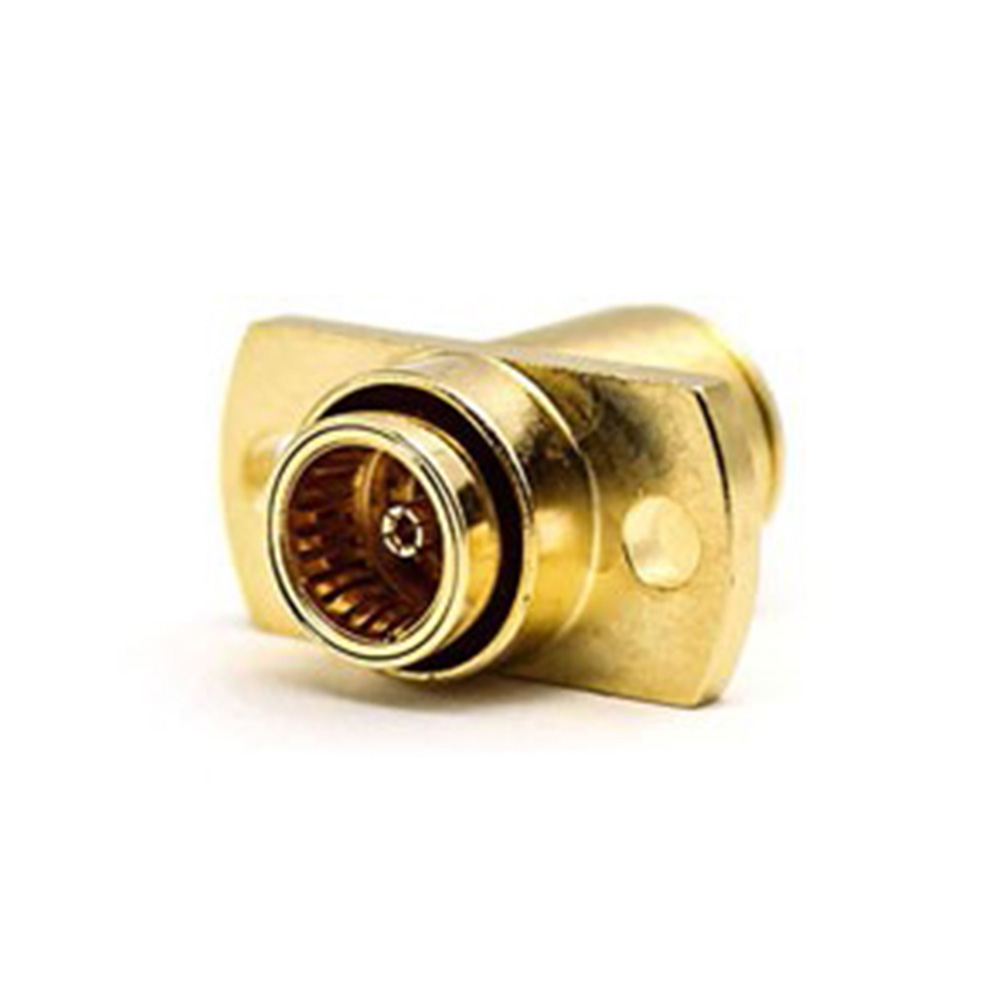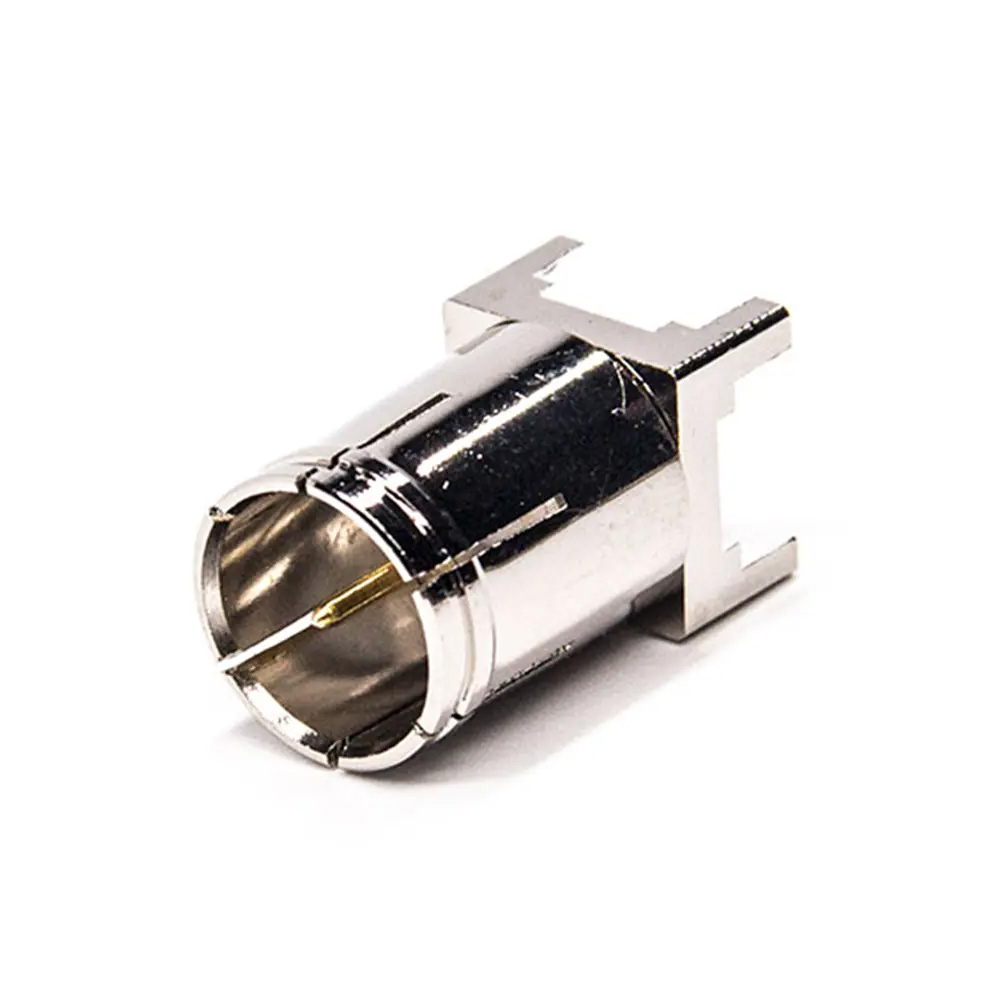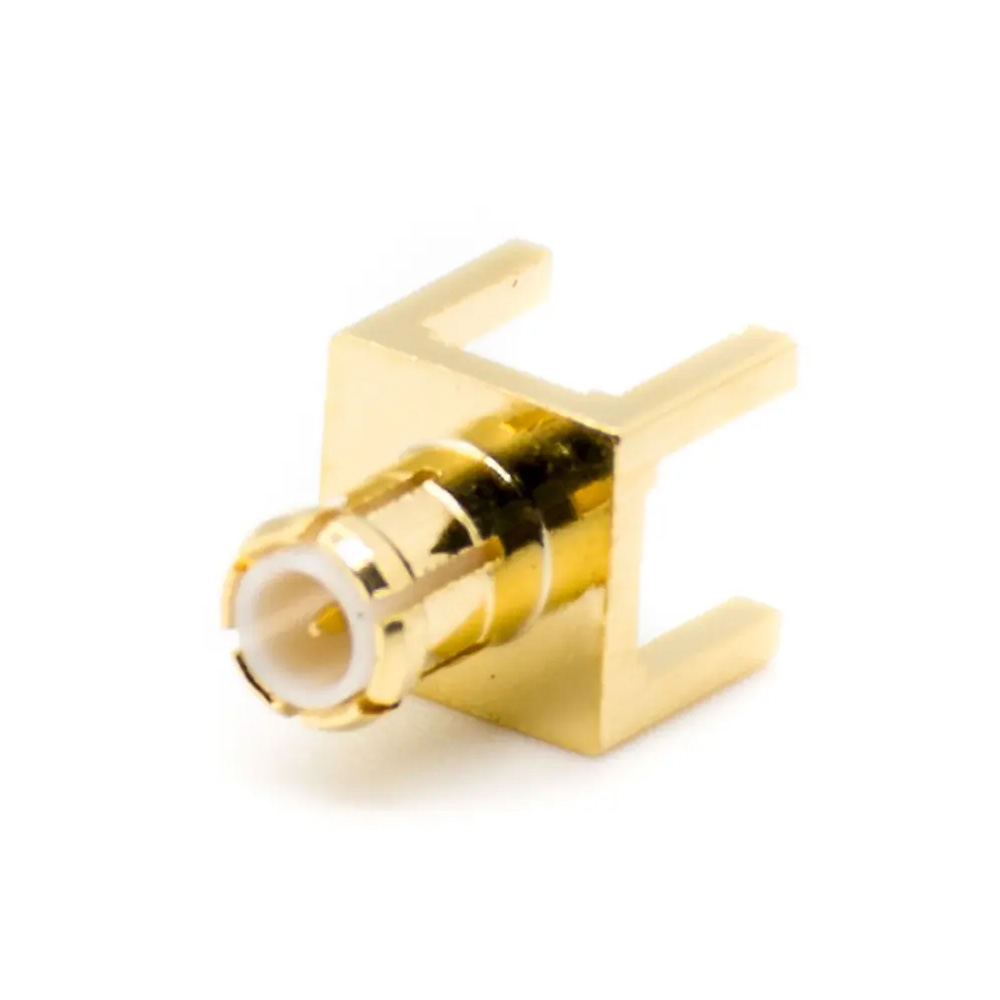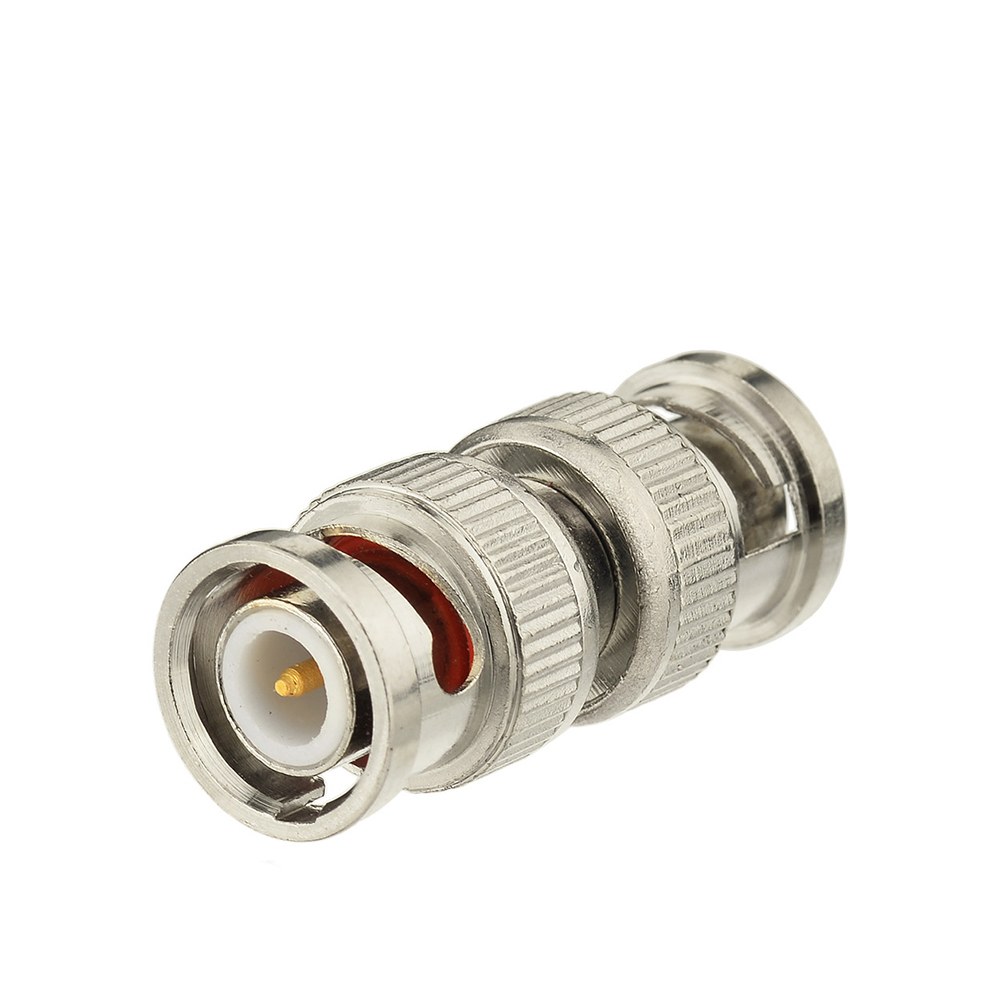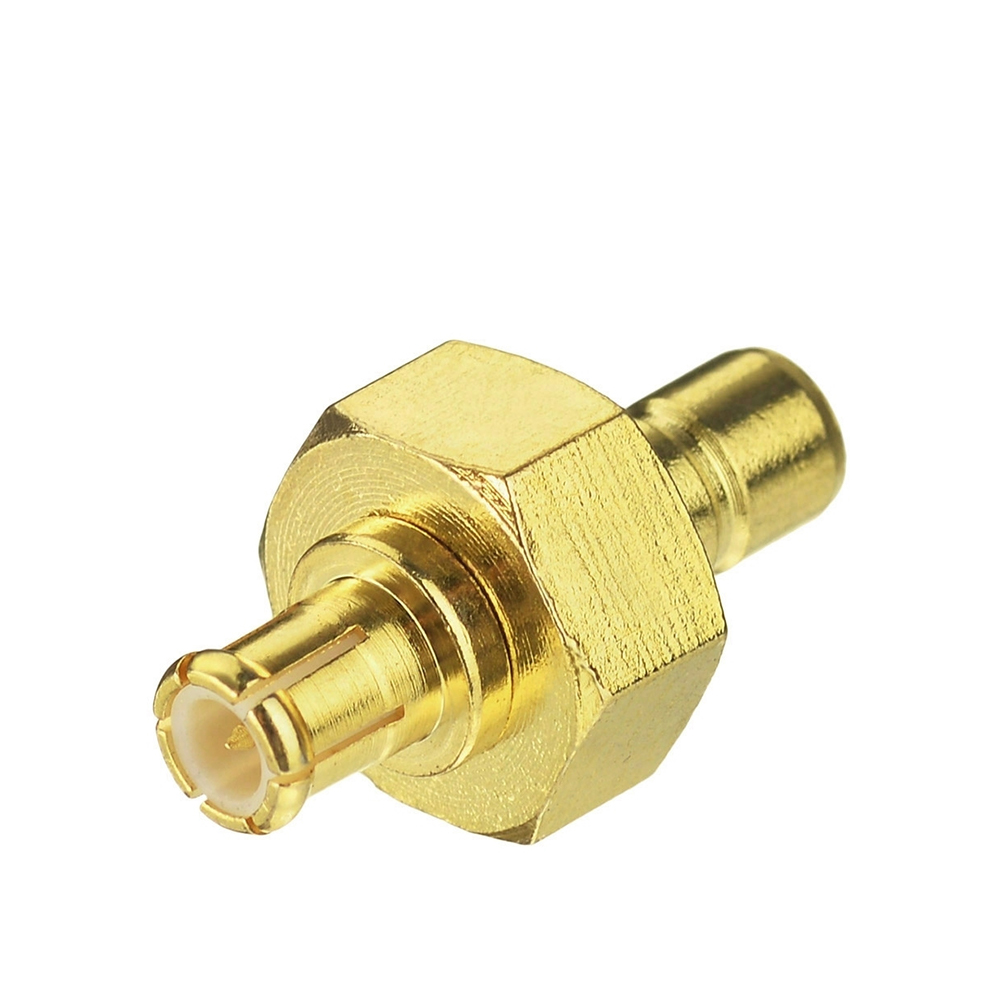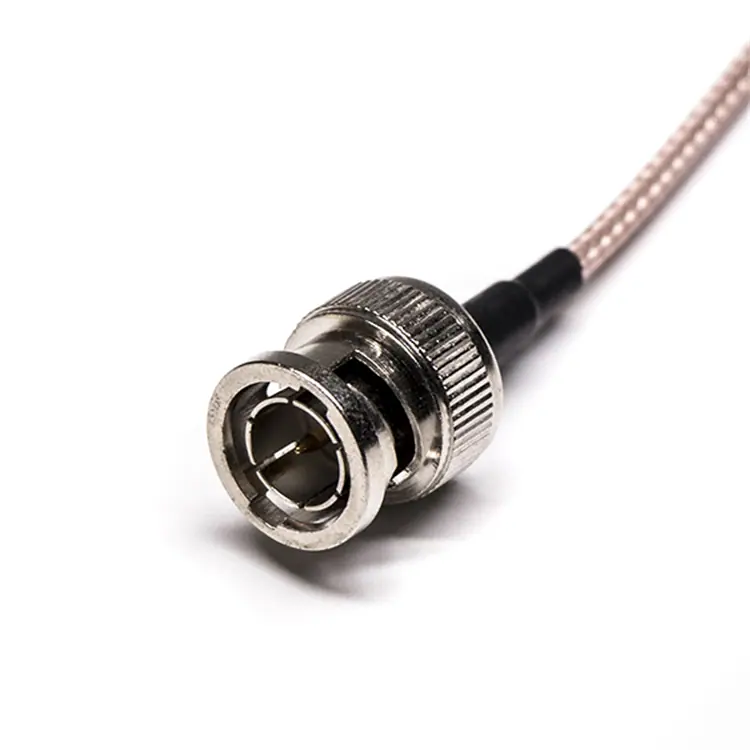
BNC Cable
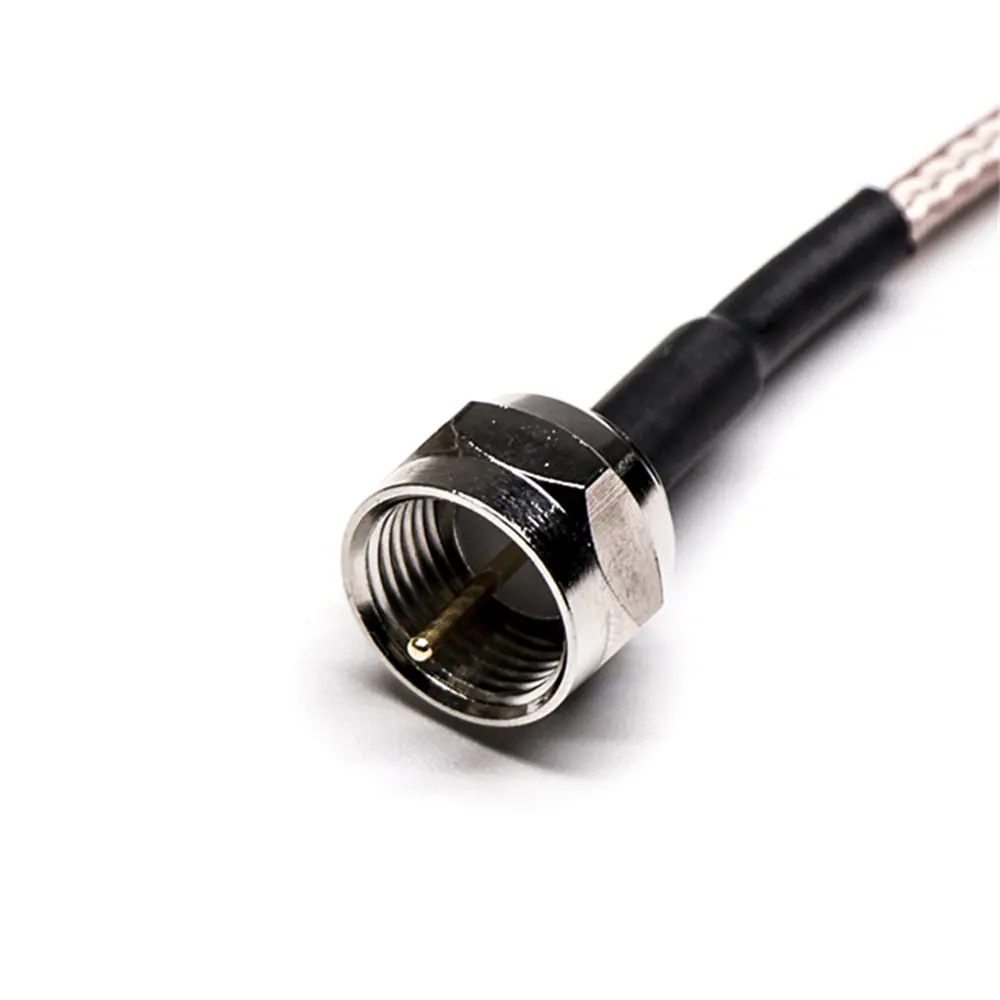
F Type Cable
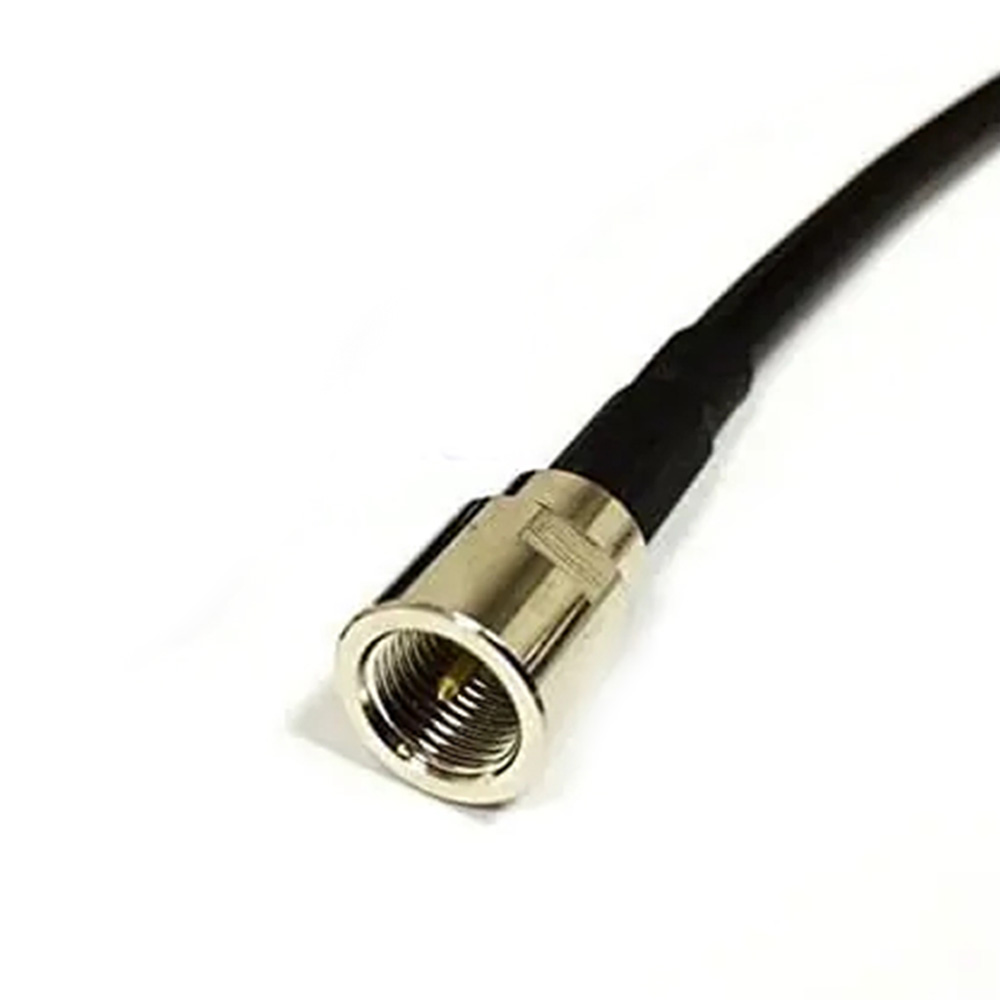
FME Cable
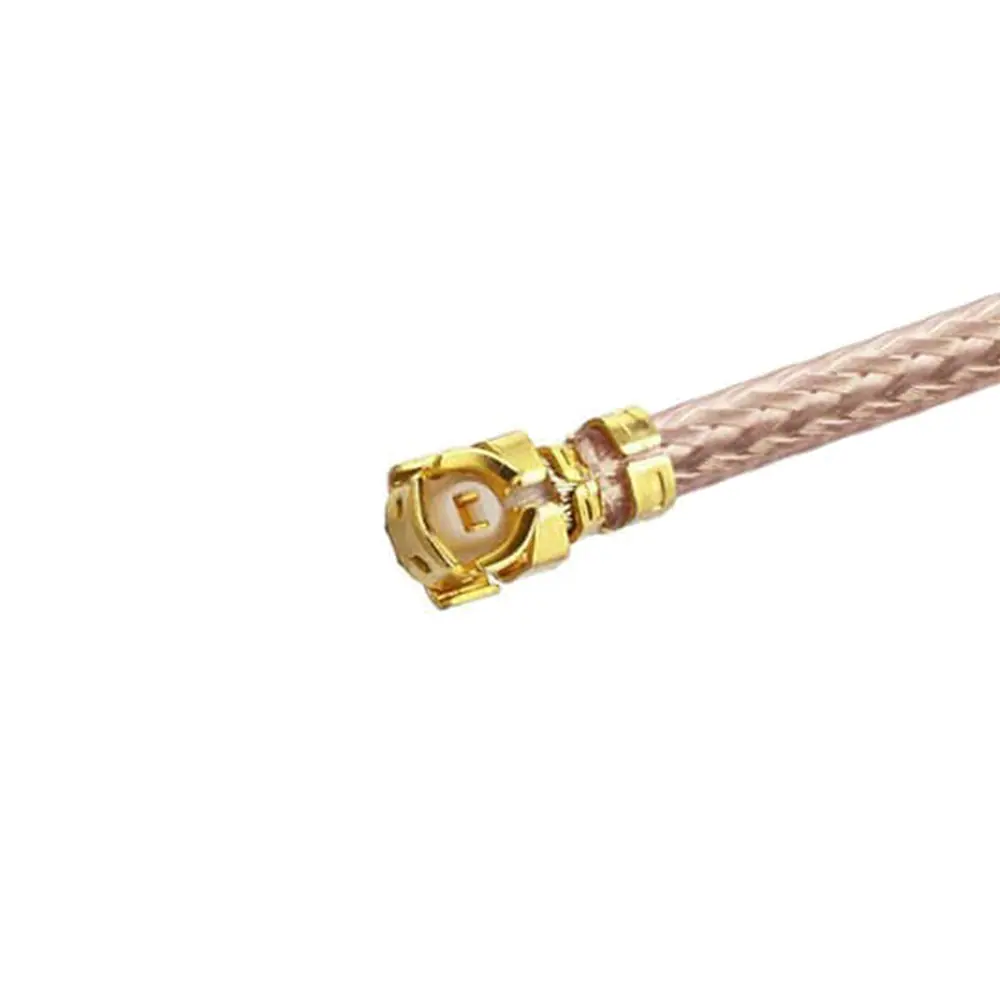
IPEX Cable
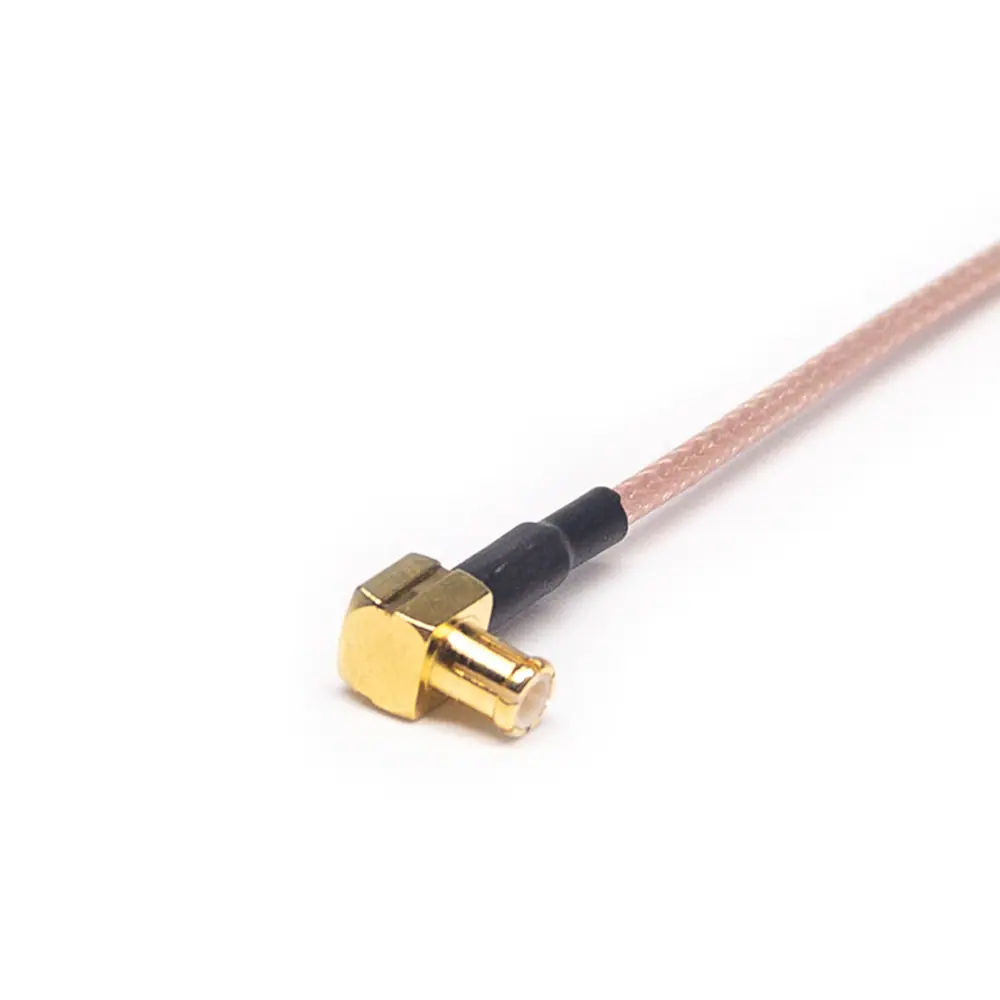
MCX Cable
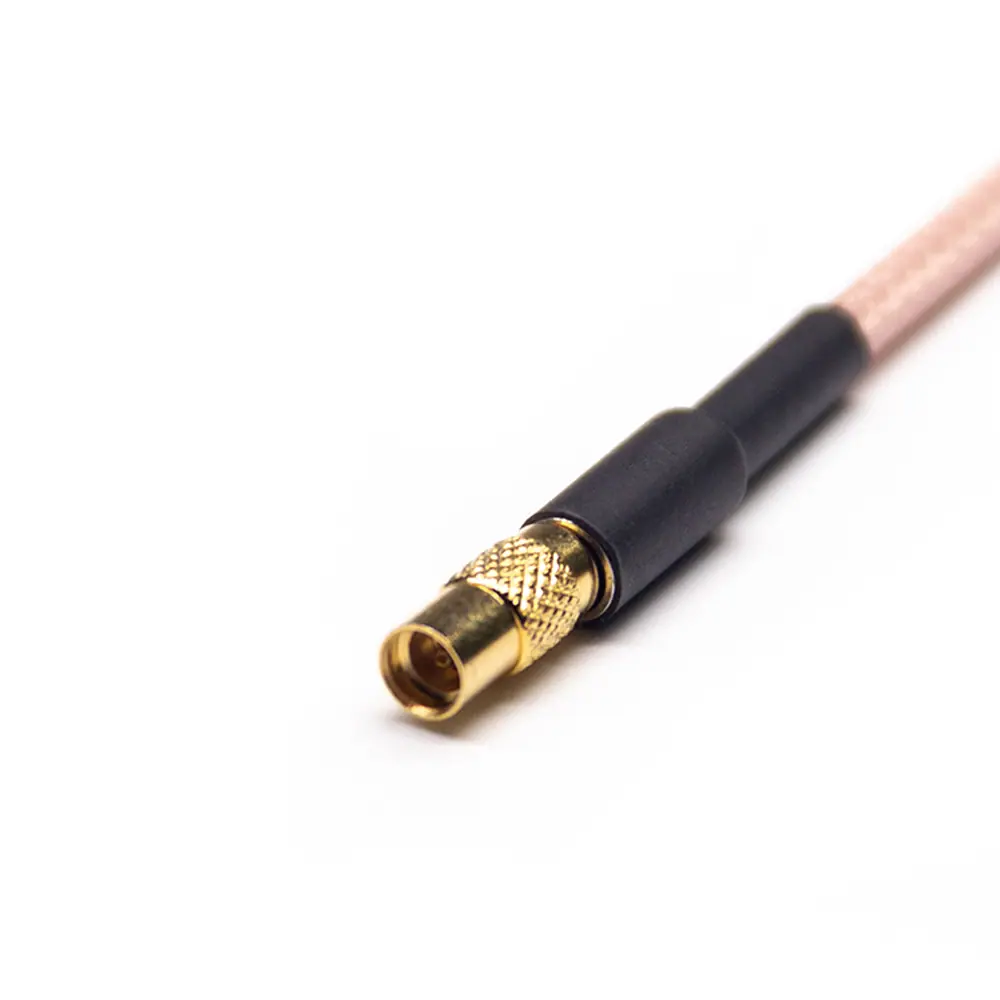
MMCX Cable
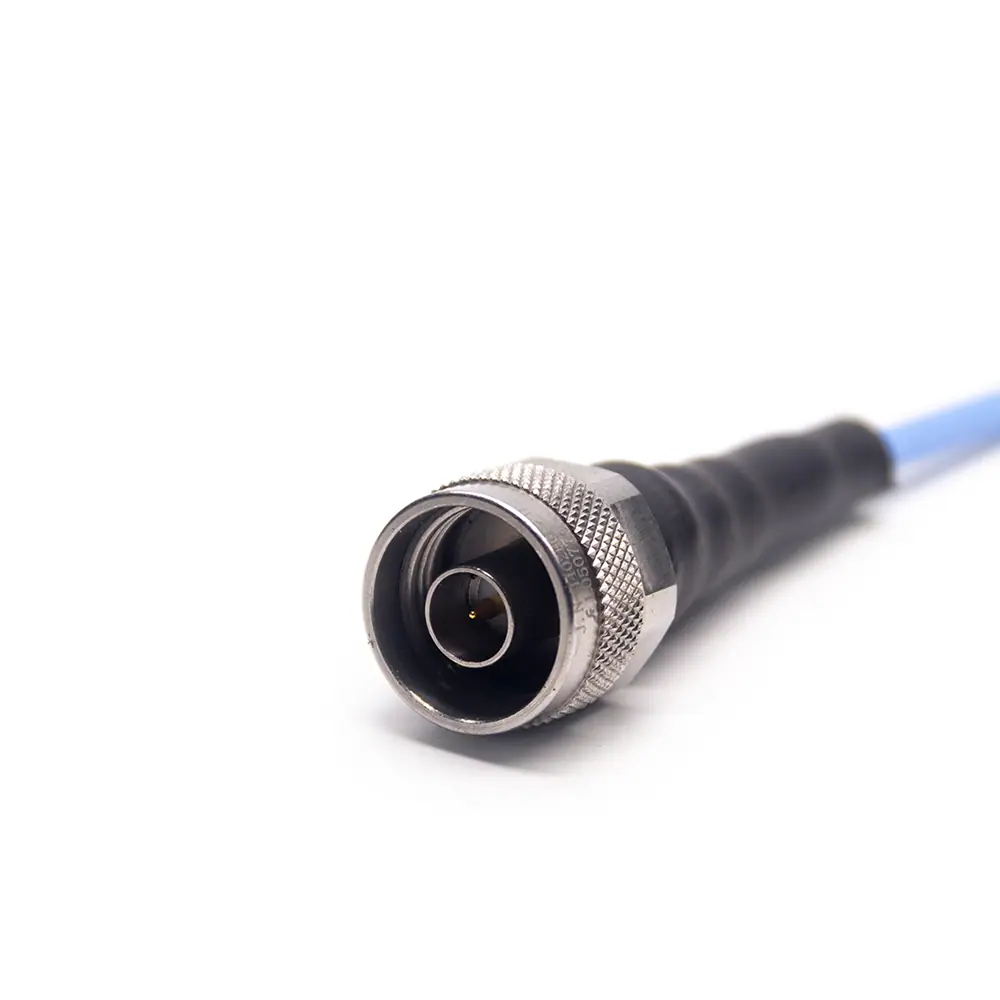
N Type Cable
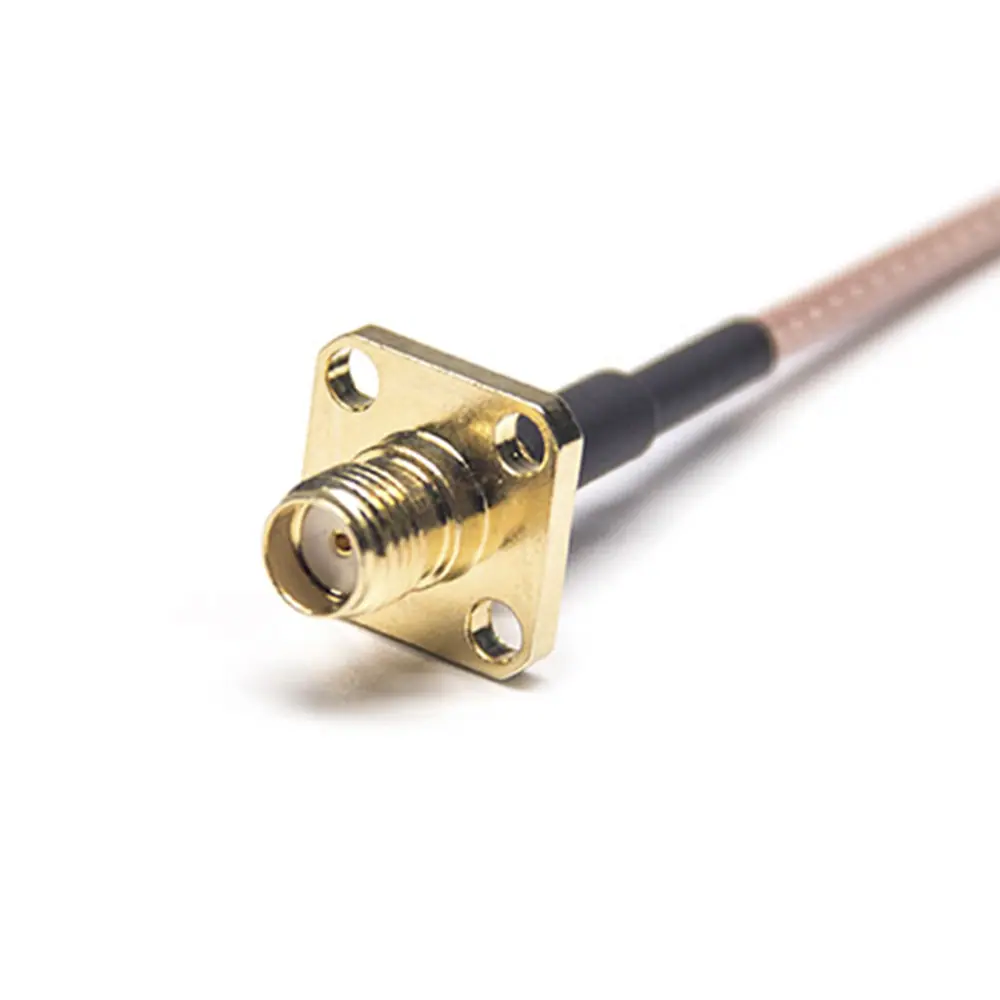
SMA Cable
TNC Cable

Introduction
In the world of Radio Frequency (RF) engineering and electronics procurement, terminology can often be the biggest barrier to selecting the right component. A frequent question we receive from our global clients—particularly those dealing with legacy equipment or Asian supply chains—is: “What is the difference between a BNC connector and a Q9 connector?”
At first glance, they look identical. They both utilize a bayonet locking mechanism, and they often fit into the same ports. However, treating them as interchangeable without understanding their technical nuances can lead to signal degradation, especially in high-frequency applications.
This guide clarifies the confusion. We will explore the historical origins of the “Q9” designation, compare the manufacturing standards (MIL-STD vs. Old GB), and explain why the modern BNC connector is the industry standard for reliable data, video, and power transmission.
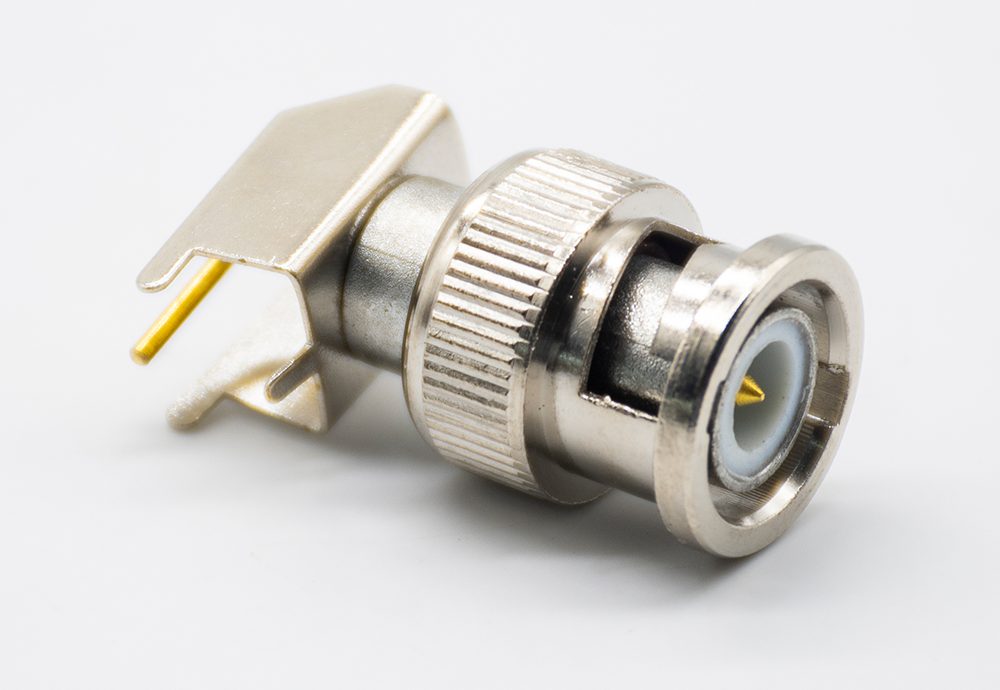
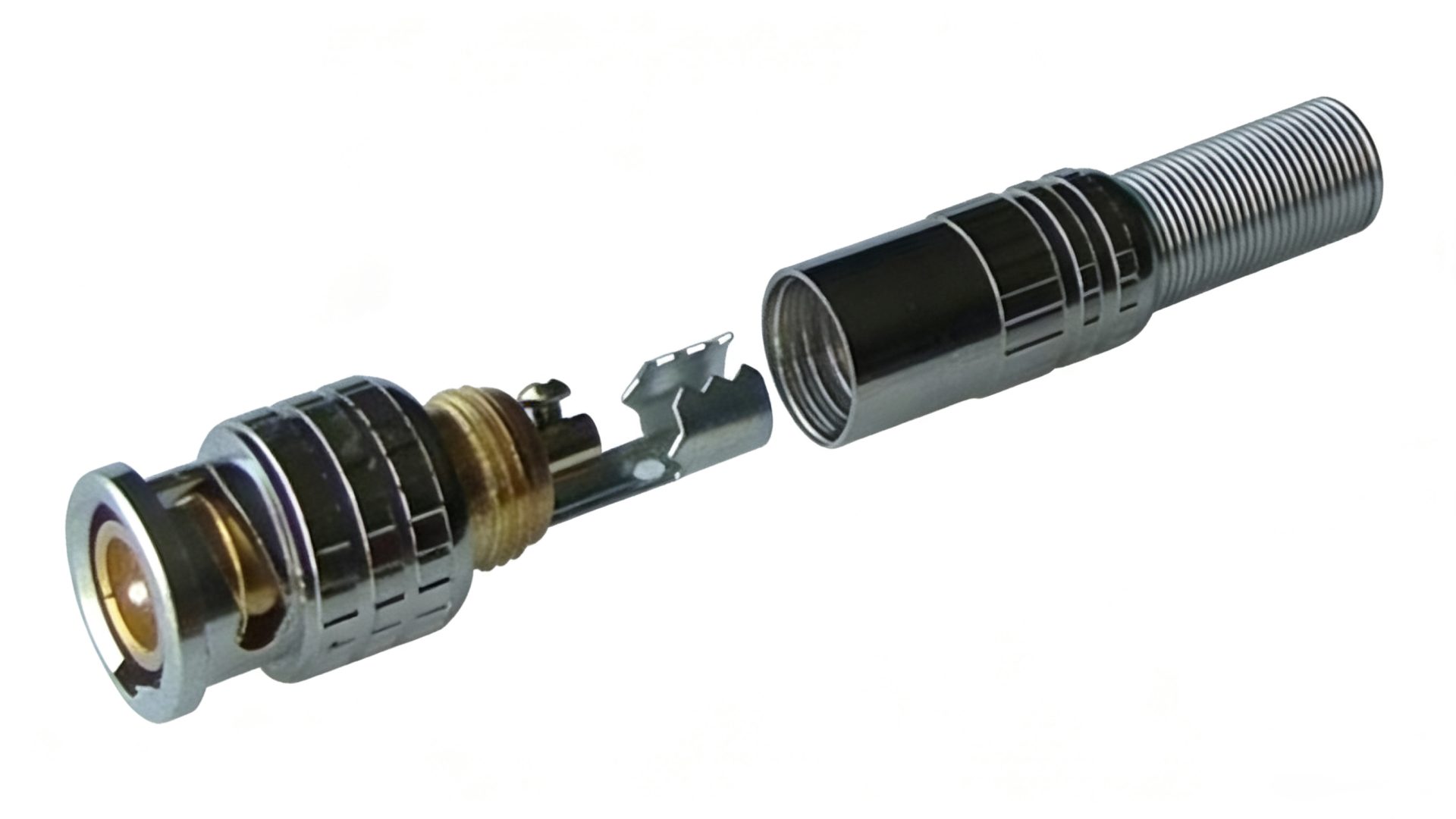
Quick View The Differences:
| Feature | Standard BNC Connector | Q9 Connector (Legacy/Old Standard) |
| Origin | International (USA/IEC) | China (Old GB) |
| Frequency | DC – 4 GHz | DC – 500 MHz (Typical) |
| Impedance | Strict 50Ω / 75Ω | Nominal 50Ω (Inconsistent) |
| Insulator | PTFE (White) | Bakelite/ABS (Yellowish/Dark) |
| Contact Plating | Gold/Silver | Silver/Nickel |
| Performance | Low VSWR, High Fidelity | Higher Signal Loss |
To understand the difference, we must first look at the history of these two terms. The core distinction is not necessarily in the shape, but in the standardization system they belong to.
The BNC (Bayonet Neill–Concelman) connector is a miniature quick connect/disconnect radio frequency connector used for coaxial cable. It was named after its designers, Paul Neill of Bell Labs and Carl Concelman of Amphenol, and developed in the late 1940s.
BNC connectors are strictly governed by international standards, primarily MIL-STD-348 and IEC 60169-8 (International Electrotechnical Commission). These standards dictate precise dimensions, dielectric materials, and impedance levels (strictly 50Ω or 75Ω), ensuring that a BNC connector bought in Germany works perfectly with equipment made in the USA or Japan.
The BNC family includes several form factors designed to accommodate different installation needs:
| Type | Function/Usage | Application Context |
| BNC Male Connector | Attaches to the cable end, features a center pin and coupling nut. | Cable termination. |
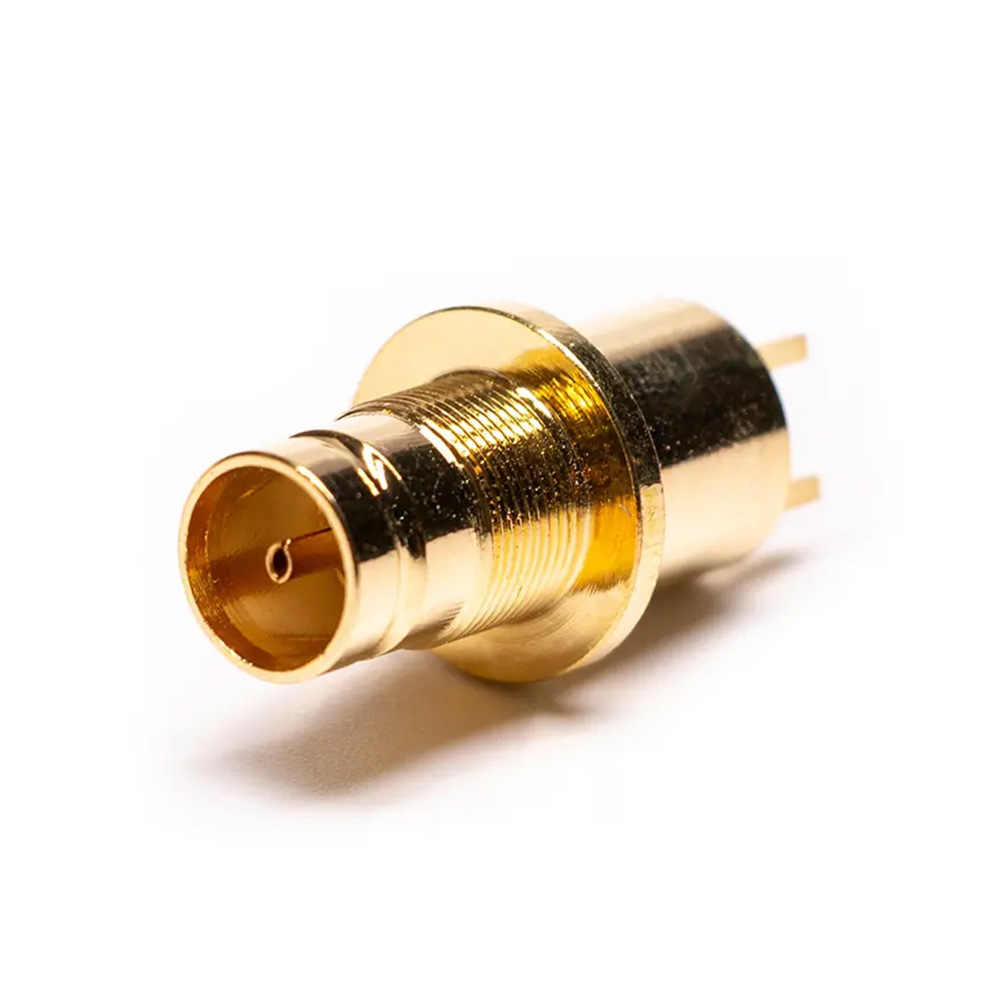
| BNC Female Connector | Often mounted on panels or instruments. | Equipment interface, BNC bulkhead. |
| BNC T Connector (BNC Tee) | Splits the signal path into two, commonly used in bus network topologies. | Legacy network taps, test setups. |
| BNC Adapter | Converts BNC to other connector types (e.g., BNC to BNC, BNC to RJ45). | Interfacing different systems. |
The term “Q9” is a legacy designation primarily used in mainland China during the mid-to-late 20th century. It originates from China’s older National Standards (GB) or Ministry of Electronics Industry standards (SJ).
Essentially, Q9 was the Chinese domestic version of the BNC. While it was designed to be compatible with BNC interfaces, the manufacturing tolerances, materials, and frequency responses of older Q9 connectors often lagged behind the evolving international MIL-STD specifications. Today, the term is mostly used by veteran engineers or found in maintenance manuals for older instruments.
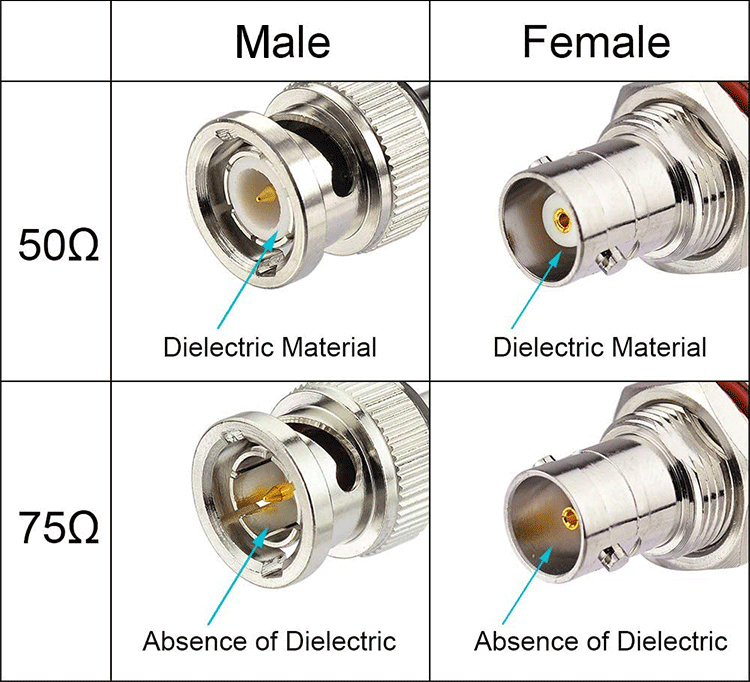
50Ω BNC: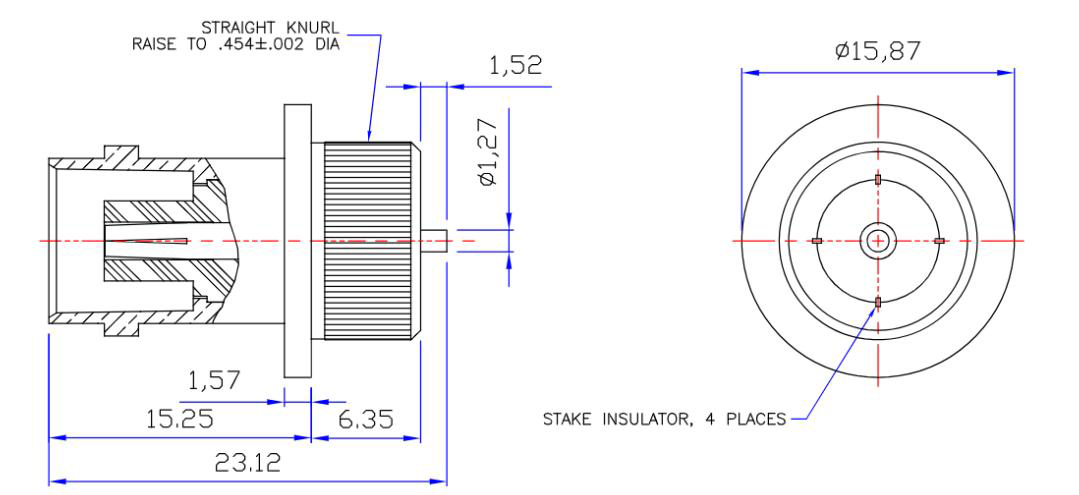
75Ω BNC:
While they share the same physical interface, the “invisible” differences determine their performance. Below is a detailed breakdown of where BNC and Q9 diverge.
Modern BNC connectors are manufactured with high-precision CNC machining to ensure a Voltage Standing Wave Ratio (VSWR) of less than 1.2 up to 4 GHz.
In contrast, vintage Q9 connectors were often produced using die-casting molds with looser tolerances. This can result in a loose mechanical fit or poor contact alignment, limiting their effective frequency range to below 500 MHz.
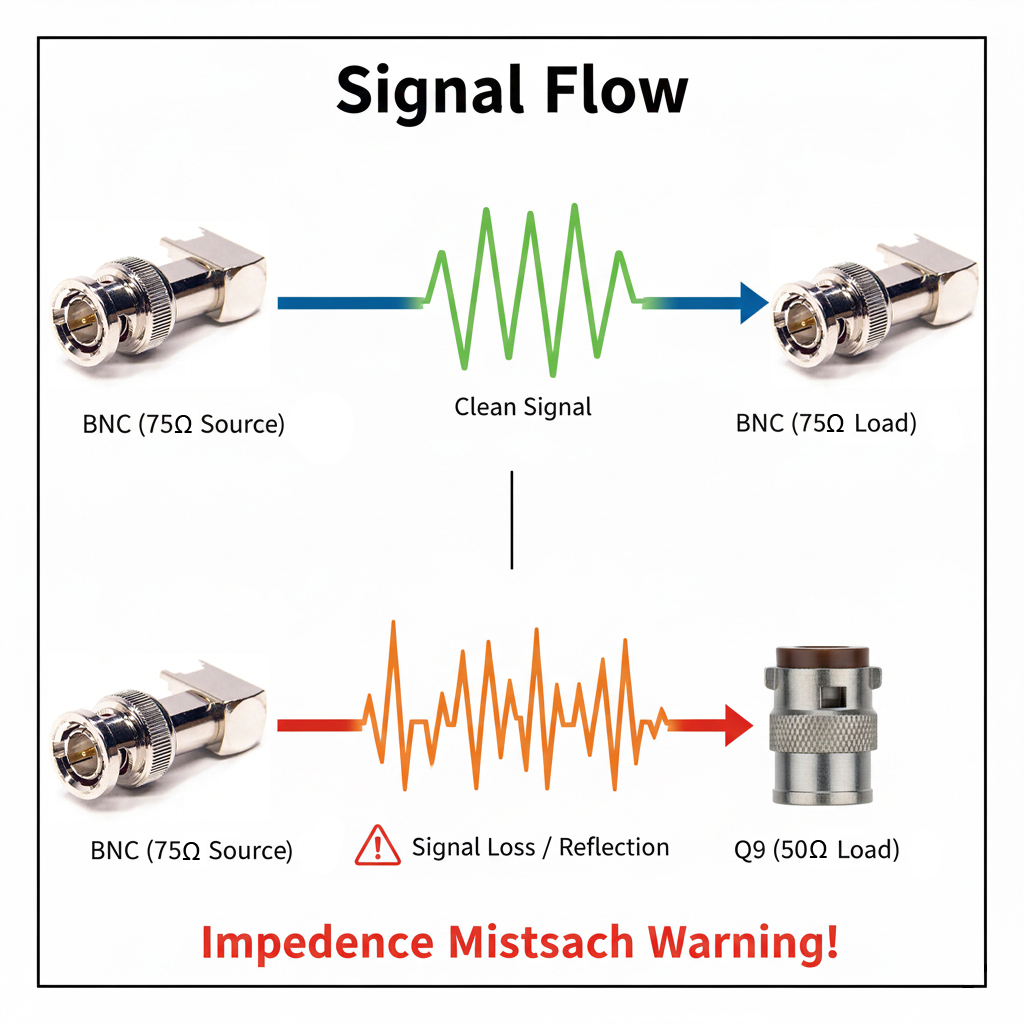
This is the most critical question for our users. The answer involves two layers: Mechanical Compatibility and Electrical Compatibility.
A Q9 plug will fit into a BNC jack, and vice versa. The bayonet lug dimensions and the inner diameter of the outer conductor are largely identical according to the basic design principles.
While they connect physically, mixing them comes with risks:
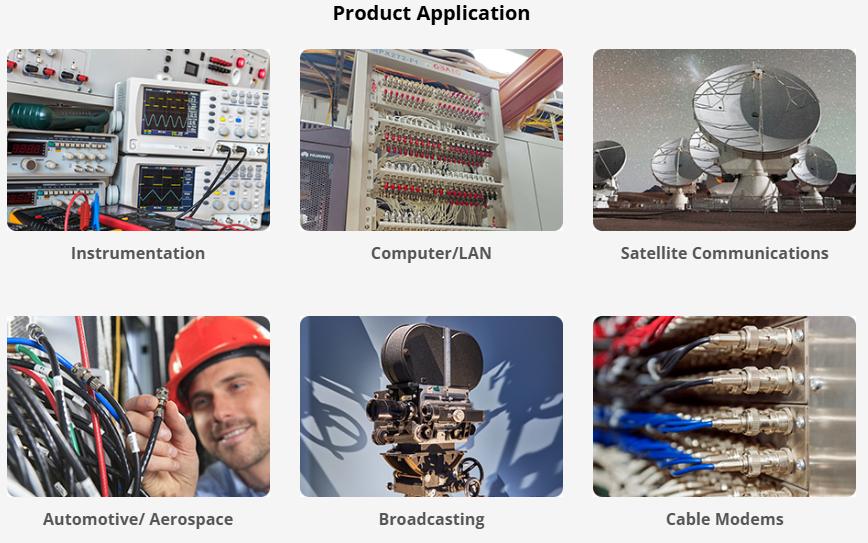
Understanding where these connectors are typically found helps in making the right replacement choice.
If you are looking to purchase connectors for a new project or to repair old equipment, the choice is clear: Buy Standard BNC.
Even if your old schematic says “Q9”, a modern BNC connector from a reputable manufacturer like Renhotec serves as a superior upgrade. It offers:
We provide a wide range of BNC connectors compatible with various cable types (RG58, RG59, RG174, etc.) and mounting styles (PCB Mount, Bulkhead).
BNC connectors are ubiquitous due to their reliability and ease of use, but choosing the right one hinges entirely on impedance matching.
| Step | Question | Recommended Choice |
| 1. Application | Is it Video/Broadcast or Data/RF/Test? | Video → 75Ω; Data/RF → 50Ω |
| 2. Frequency | Is the signal > 4 GHz? | BNC performance degrades; consider TNC (threaded BNC) or N-Type. |
| 3. Interface | Do you need quick connect/disconnect or secure lock? | Quick Connect → BNC; Secure Lock → TNC/SMA. |
Q1: Is Q9 exactly the same as BNC?
A: Not exactly. Q9 is the older Chinese standard name for the BNC interface. While they mate physically, modern BNC connectors follow stricter international standards (IEC/MIL) and offer better electrical performance than old Q9 parts.
Q2: Can I use a BNC connector on a device labeled “Q9 Output”?
A: Yes, absolutely. A standard BNC connector is perfectly compatible with a Q9 port and will likely provide a better, more stable connection than the original plug.
Q3: How do I tell if my connector is 50 Ohm or 75 Ohm?
A: Look at the internal dielectric (the white plastic inside). If the dielectric extends to the outer rim, it is usually 50Ω. If there is air surrounding the dielectric (making the center pin look more exposed), it is 75Ω. (Note: Old Q9 connectors may not follow this visual rule strictly).
Q4: Where can I buy Q9 connectors today?
A: It is difficult to find new connectors sold strictly as “Q9” except from surplus stock. You should purchase BNC connectors, which are the direct, modern equivalent.
Q5: What Should I Look for in a Reliable BNC Connector Manufacturer?
A: Look for a BNC connector manufacturer that emphasizes three key areas: low Return Loss (VSWR) for optimal signal integrity, high-quality plating (e.g., Nickel or Gold) for durability and corrosion resistance, and proven ability to meet industry specifications (e.g., MIL-PRF-39012) for custom or high-volume orders.
Still unsure if you need a 50Ω or 75Ω connector for your application? Or are you looking to replace outdated Q9 components in bulk?
Contact our engineering team [email protected]. We can help you cross-reference your old part numbers and supply high-performance BNC solutions and BNC cables assemblies tailored to your industry.