
Introduction
Many engineers ask, “what is a Q9 connector?” and how it relates to the industry-standard BNC. In the interconnect world, the Q9 connector is often considered a regional designation for the BNC male or female interface, commonly used in older video and RF testing equipment.
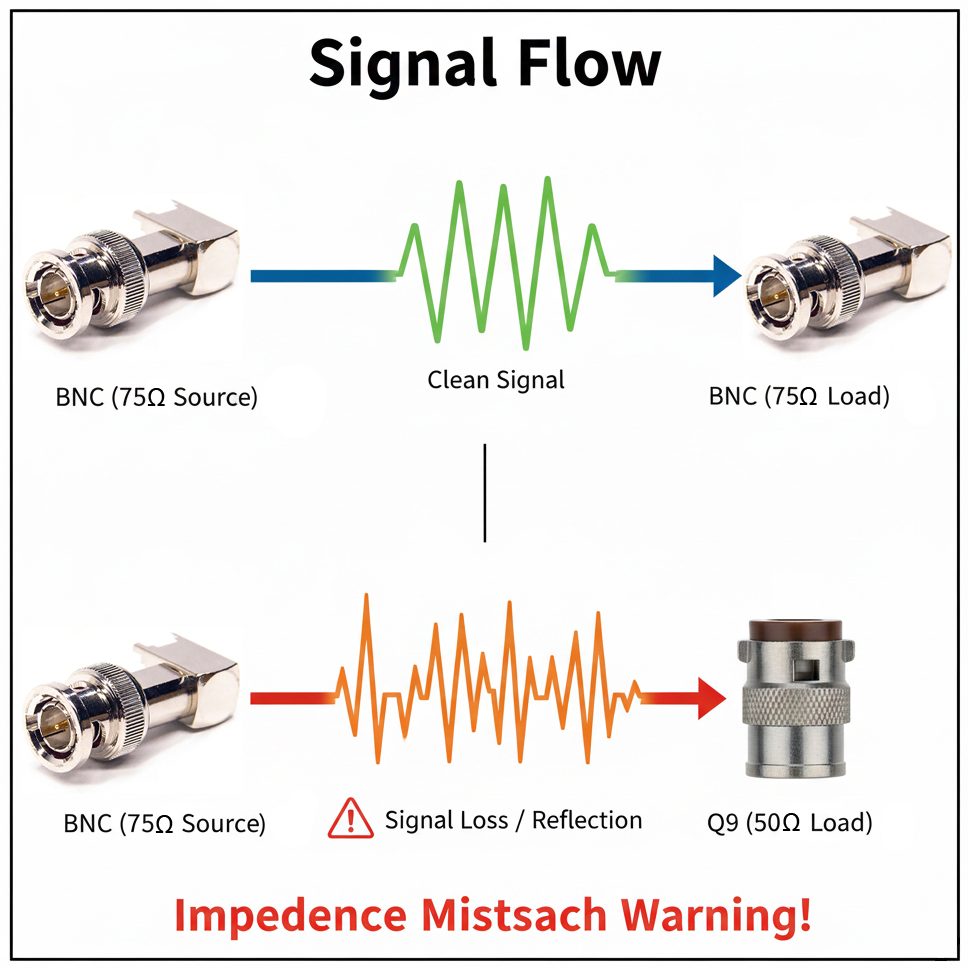
Quick Answer: The Q9 connector is a specific Chinese-origin variant of the BNC connector. While mechanically compatible , they differ in precision and materials. Using a Q9 in high-precision RF systems can lead to Impedance Mismatch and Signal Loss.
Why BNC is often called Q9: The History & Technical Truth
The Technical Origin of “Q9”
Many engineers, particularly in the Asian manufacturing market, refer to BNC connectors as “Q9 connectors.” This name originates from the early Chinese national standard nomenclature. The “Q” stands for “Qu-fu” (meaning bayonet or plug-in style), and “9” refers to the specific series or size defined in those legacy standards.
The Crucial Catch: While a Q9 is a type of BNC, modern international RF applications demand higher precision than the original Q9 standard often provides. A standard BNC undergoes rigorous impedance control (50Ω or 75Ω), whereas generic Q9-labeled parts might suffer from Impedance Mismatch and Signal Loss in high-frequency environments.
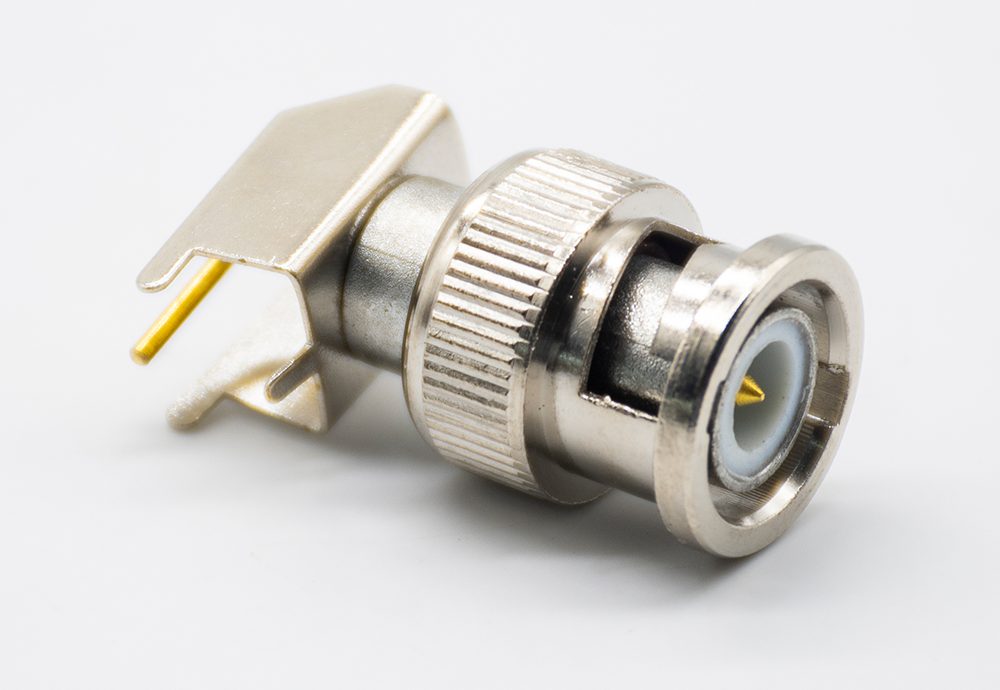
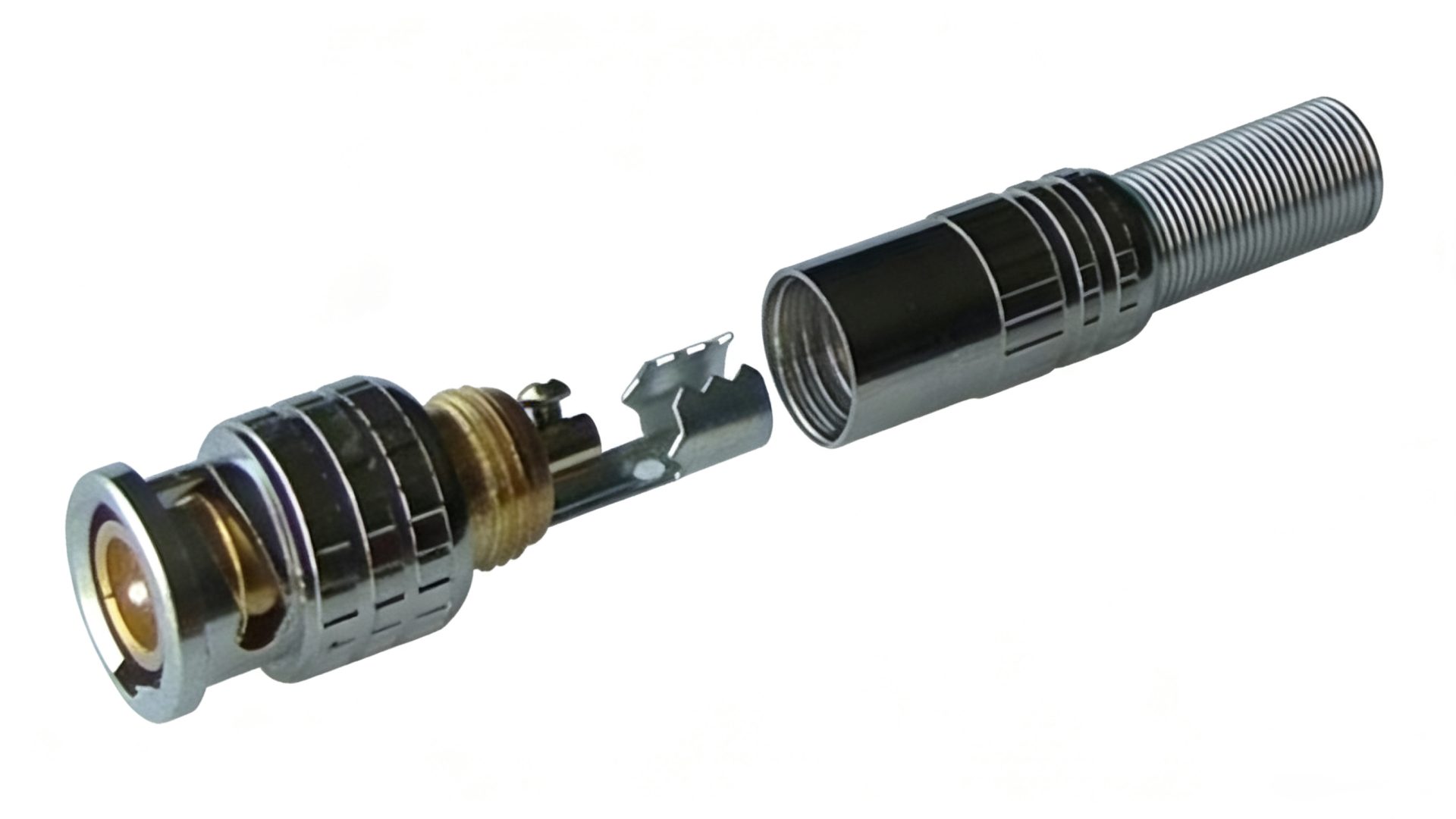
Key Differences: Standard BNC vs. “Q9”
While a “Q9” plug can physically mate with a BNC socket, assuming they are both the same impedance type, the underlying specifications are what truly matter. Here is a direct comparison:
| Feature | Standard BNC Connector | “Q9” (Legacy/Non-Standard) |
|---|---|---|
| Terminology | An official, international standard (MIL-STD-348). | A colloquial, informal term primarily used in China. |
| Standardization | Manufactured to strict military and commercial specs. | No official standard; quality and performance can vary widely. |
| Performance | Guaranteed performance for its specified frequency range (e.g., up to 4 GHz). Low VSWR. | Performance is often unspecified and generally lower, especially at higher frequencies. |
| Impedance Control | Precise 50 Ohm or 75 Ohm impedance for signal integrity. | Impedance may not be precisely controlled, leading to signal reflection and loss. |
| Material & Quality | Made with high-quality, specified materials for durability and reliable connections. | Materials are often of a lower grade, which can affect durability and conductivity. |
| Physical Compatibility | Yes, but it is not recommended to mix them in high-performance systems. | Yes, can physically connect to a standard BNC of the same type. |
Compatibility Guide: Can They Be Used Interchangeably?
This is the most critical question for our users. The answer involves two layers: Mechanical Compatibility and Electrical Compatibility.
1. Mechanical Compatibility: YES
A Q9 plug will fit into a BNC jack, and vice versa. The bayonet lug dimensions and the inner diameter of the outer conductor are largely identical according to the basic design principles.
2. Electrical Compatibility: CONDITIONAL
While they connect physically, mixing them comes with risks:
- Signal Reflection: Using a Q9 connector on a high-speed digital video line (SDI) designed for 75Ω BNC will cause impedance mismatch. This leads to signal reflection, ghosting in video, or data packet loss.
- Contact Oxidation: Older Q9 connectors often use silver plating that may have oxidized over decades (turning black). Plugging a tarnished Q9 into a new gold-plated BNC jack can contaminate the contact surface and increase resistance.
Application Scenarios: Where Will You Find Them?
Understanding where these connectors are typically found helps in making the right replacement choice.
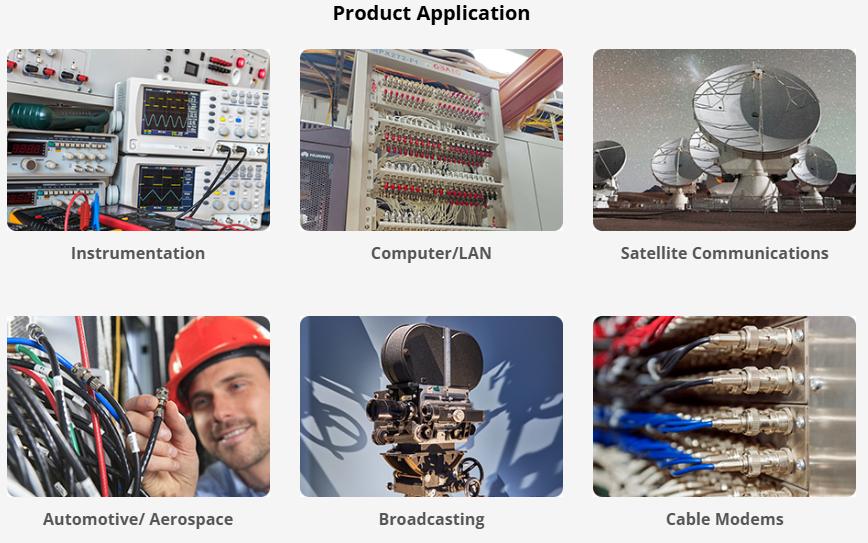
Scenario A: The Q9 Domain (Legacy) You will mostly encounter strict “Q9” connectors in vintage equipment manufactured before the 1990s, such as:
- Old analog oscilloscopes (Made in China).
- Function generators in university physics labs.
- Early industrial control systems using lower frequencies (<100MHz).
- Recommendation: If restoring a museum piece, a Q9 is authentic. For functionality, upgrade to BNC.
Scenario B: The BNC Domain (Modern Standard) BNC is the omnipresent standard for:
- HD-SDI / 4K Video: Requires strictly matched 75Ω BNCs.
- Network & Telecom: DS3 Telco central office interconnects.
- Aerospace & Defense: Mil-spec versions for rugged environments.
- BNC to RJ45 adapter for integrating older BNC-based networks into modern twisted-pair systems, and various patch cables (BNC to BNC) for laboratory use.
- Recommendation: Always use new, certified BNC connectors.
FAQ
Question 1: Where can I buy Q9 connectors today?
It is difficult to find new connectors sold strictly as “Q9” except from surplus stock. You should purchase BNC connectors, which are the direct, modern equivalent.
Question 2: Can I use a BNC connector on a device labeled “Q9 Output”?
Yes, absolutely. A standard BNC male connector is perfectly compatible with a Q9 port and will likely provide a more stable connection.
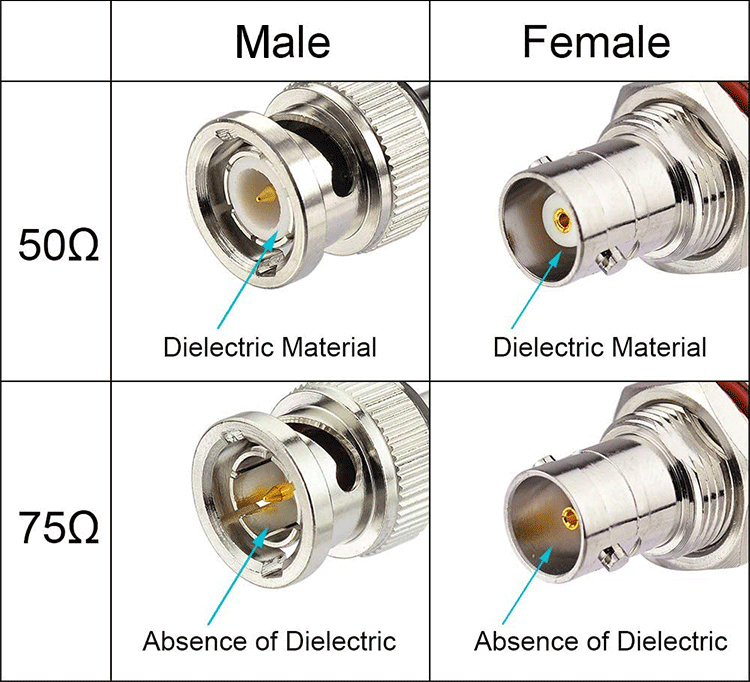
Question 3: How do I identify a BNC Q9 male from a female connector?
The BNC Q9 male features a rotating outer shell with internal slots and a center pin, while the female connector has two external studs and a hollow center contact.
Related Comparisons
TNC vs BNC:
- While comparing BNC vs Q9, some may also wonder about the TNC connector vs BNC. Unlike the bayonet-style BNC and Q9, TNC uses a threaded interface for higher vibration environments.
F-Type vs BNC:
- While understanding the nuances between BNC and Q9 is critical for high-precision tasks, engineers often compare BNC with other common RF interfaces like the F-Type connector when designing broader systems. Although they might look somewhat similar in coaxial setups, their mechanical locking and electrical performance serve entirely different industry standards.
| Feature | BNC Connector | F-Type Connector |
| Connection Type | Bayonet Mount (Quarter-turn to lock) | Threaded (Screw-on style) |
| Impedance Options | Available in precise 50Ω and 75Ω | Primarily 75Ω (Consumer grade) |
| Application Areas | Test equipment, SDI video, and Telecom | CATV, Satellite Antennas, and Modems |
| Main Advantage | Fast, secure coupling for frequent plugging | Cost-effective for permanent outdoor installs |
Contact Us
Still unsure if you need a 50Ω or 75Ω connector for your application? Or are you looking to replace outdated Q9 components in bulk?
Contact our engineering team [email protected]. We can help you cross-reference your old part numbers and supply high-performance BNC solutions and BNC cables assemblies tailored to your industry.

As an industry specialist at Renhotec Group, I have years of expertise in the field of electronic interconnection. Founded in 2008, Renhotec Group is a global leader in designing and manufacturing connectors, cables, and custom electronic components for a wide range of industries. We are committed to providing high-performance interconnect solutions, leveraging technical innovation and rigorous quality standards to empower global customers across industrial, RF, and EV sectors.
